
Last updated November 4, 2026
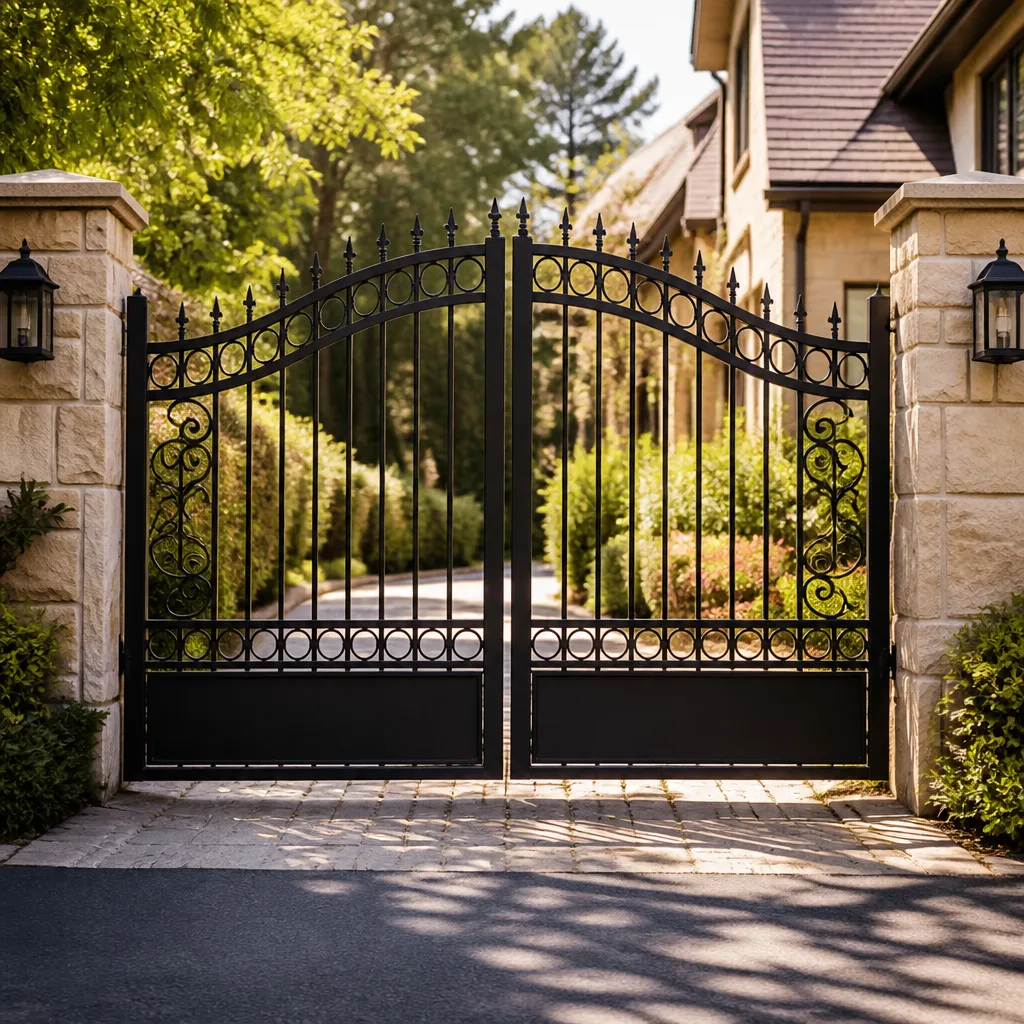 Wrought iron
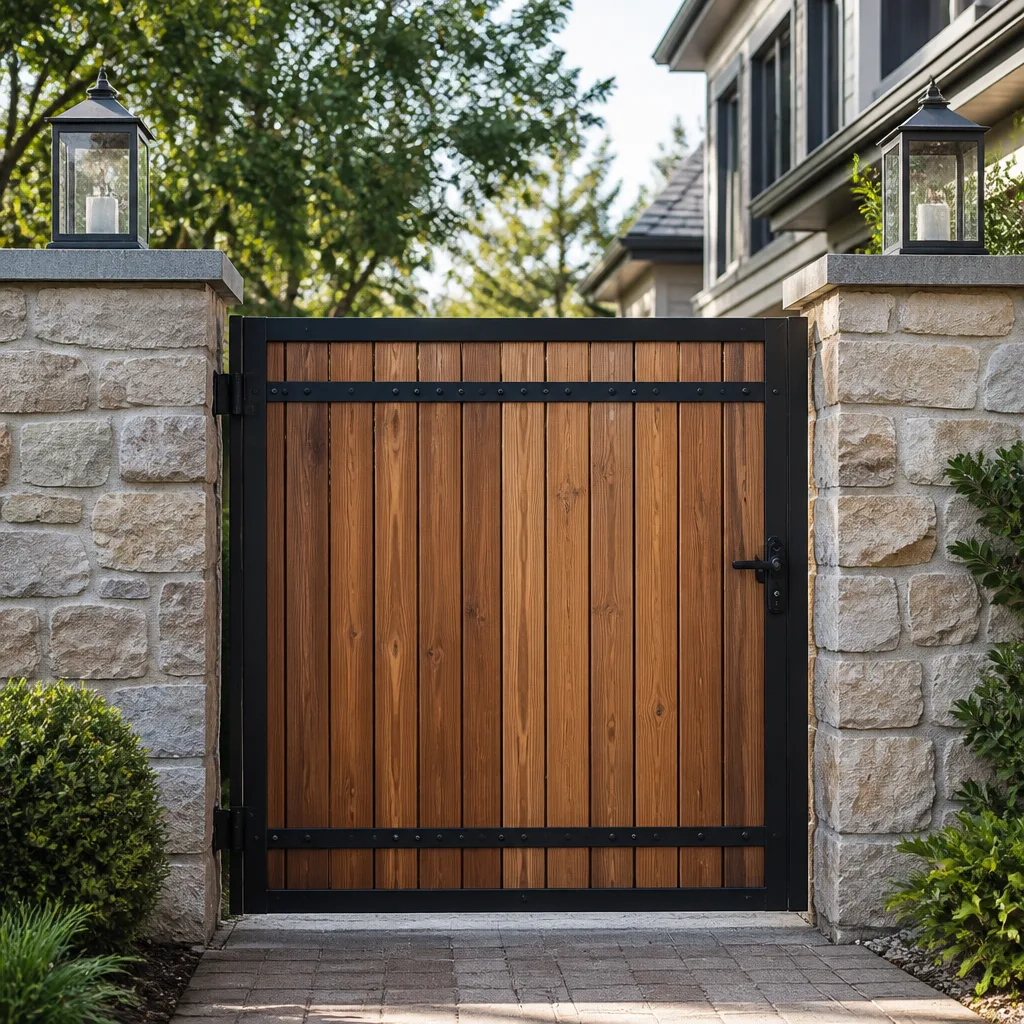 Wood & steel frame
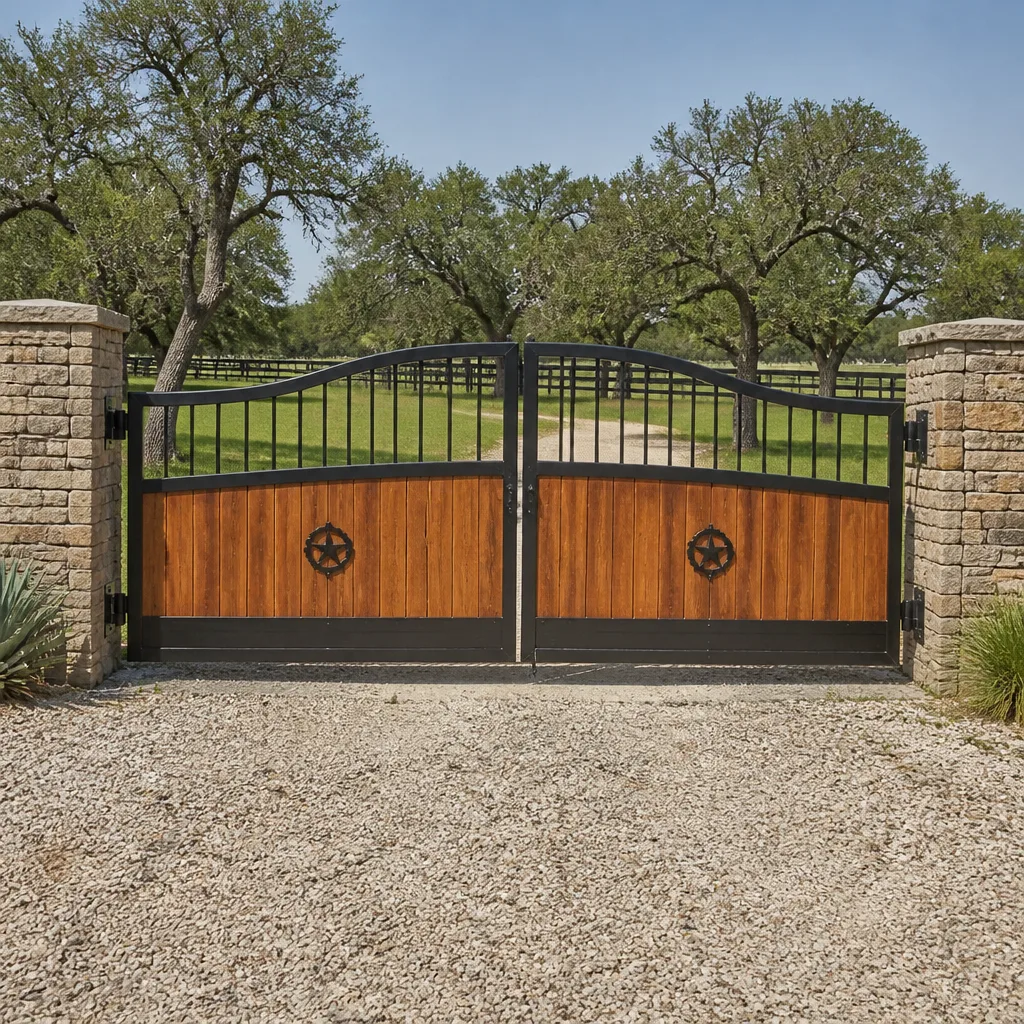 Farm & ranch
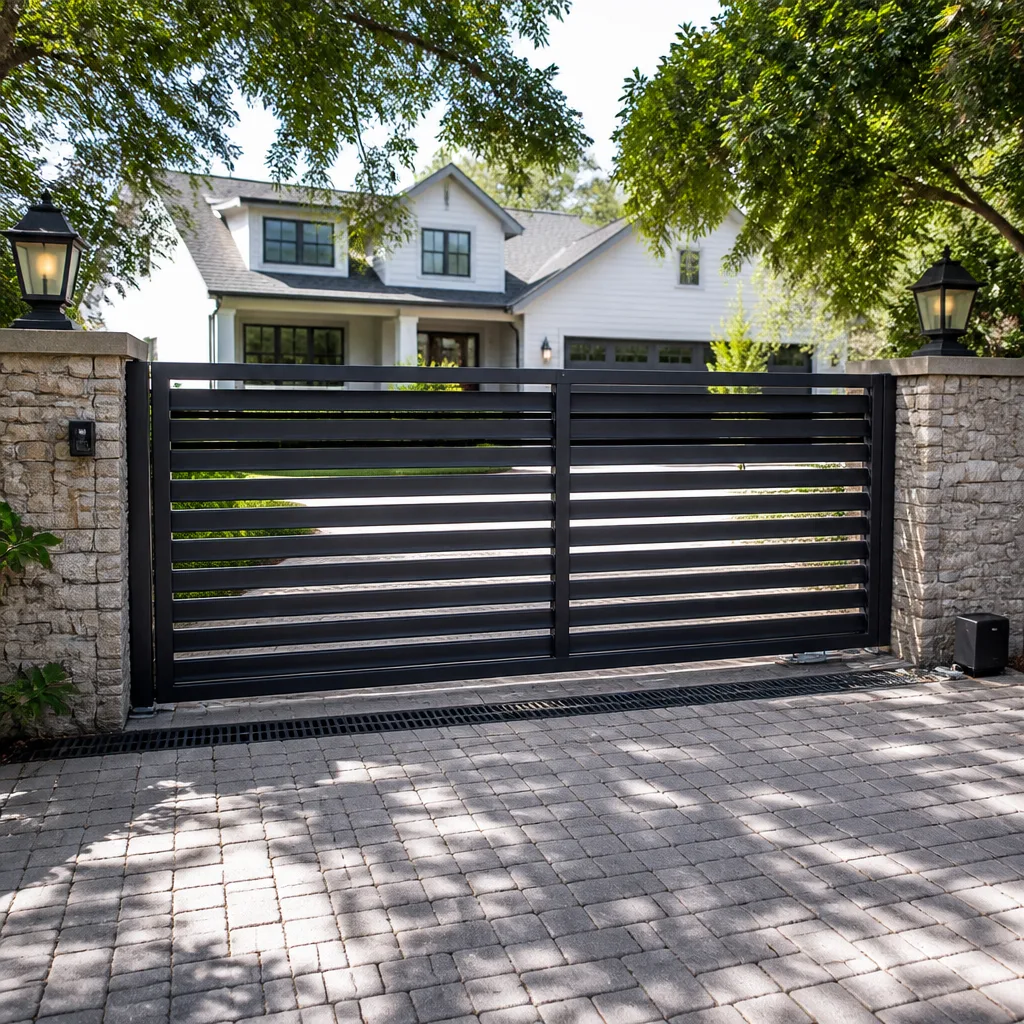 Sliding driveway gates
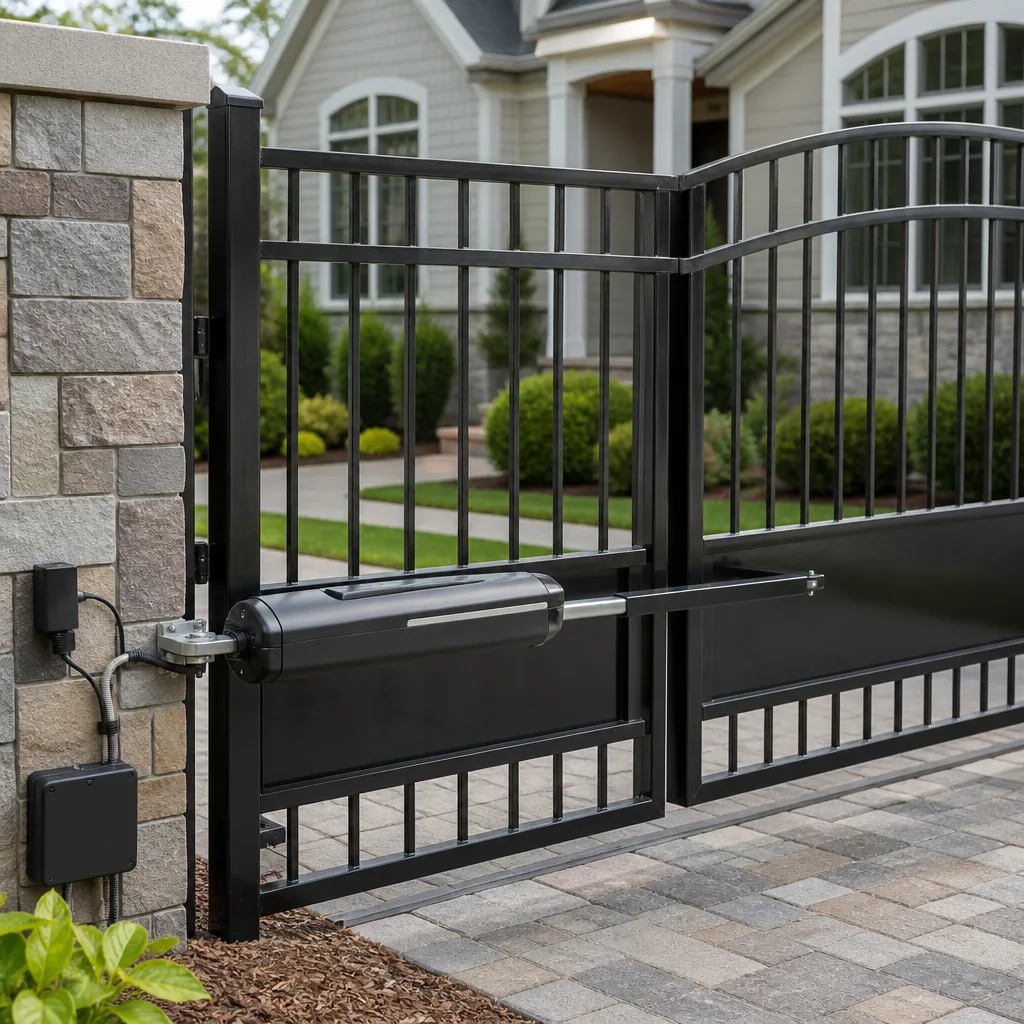 LiftMaster operators
Free on-site gate assessment - hinges, posts, and your LiftMaster or Nice gate operator checked before anything is quoted
The assessment is free and the quote is the invoice.
Get your free estimateThe Complete Guide to Gate Repair in Laguna Niguel
A gate that’s been “repaired” three times in two years hasn’t been repaired once. It’s been patched. And in Laguna Niguel, where hillside driveways and specific microclimates shape how hardware fails, a patch job gets exposed fast. This guide maps the real failure patterns we see in this city, from coastal air eating at hinge bearings to operators that never matched the gate’s weight in the first place. You’ll learn how to tell a structural problem from an operator problem, which repairs actually buy you years, and which ones just schedule your next service call.
Quick Answer
Gate repair in Laguna Niguel usually falls into two categories: structural issues with hinges, posts, or the gate itself, and operator issues with motors, control boards, sensors, or remotes. The fix depends entirely on which category you’re in, and misdiagnosing one as the other is the most expensive mistake you can make. A specialist who works across multiple brands can usually diagnose the real cause in one visit and tell you whether repair makes sense or replacement costs less long-term.
Styles & brands we work with
- Wrought iron
- Wood & steel frame
- Farm & ranch
- Sliding driveway gates
- LiftMaster operators
Table of Contents
- How Coastal Air Actually Damages Gate Hardware
- Why Sloped Driveways Stress Gates Differently
- Operator Malfunction vs. Structural Failure: Knowing the Difference
- Cross-Brand Operator Compatibility and Why It Matters
- Which Repairs Extend Gate Life, and Which Just Delay a Callback
- What a Proper Gate Inspection Should Cover
- How to Choose a Gate Repair Technician in Laguna Niguel
How Coastal Air Actually Damages Gate Hardware
Laguna Niguel sits close enough to the Pacific that airborne salt and moisture reach inland properties, especially in the mornings when marine layer lingers. That exposure does specific, predictable things to gate hardware. Hinge bearings corrode from the inside out. Roller tracks develop pitting that causes grinding. Control board connections oxidize, creating intermittent faults that look like a bad board when the real issue is a corroded terminal.
The parts that fail first are rarely the most visible ones. Powder-coated steel frames hold up reasonably well. It’s the small components, hinge pins, roller bearings, safety sensor housings, and wire terminations, that give out silently. We lean on Prairie Gate Repair for exactly this reason: the team knows which components fail in this specific climate and checks them before recommending a repair.
Here’s the corrosion pattern we see most often in Laguna Niguel:
- Bottom hinge bearings wear first because moisture collects at the lowest point and sits there.
- Track rollers on slide gates pit from salt-laden morning air, then the gate starts binding.
- Sensor lens housings fog internally, causing false obstruction readings.
- Terminal strips inside control boxes corrode faster than the board itself, producing intermittent power loss.
The practical takeaway: if your gate worked for years and then developed an intermittent fault, corrosion is a leading suspect in Laguna Niguel. A technician who opens the control box and checks terminal condition, not just error codes, will find the root cause. That’s the difference between replacing a four-hundred-dollar board and cleaning a ten-dollar terminal.
Why Sloped Driveways Stress Gates Differently
Laguna Niguel is built across rolling hills, and a large share of driveways have some grade to them. A gate on a slope isn’t just opening and closing. It’s working against gravity every cycle. That changes how hinges wear, how operators perform, and how long certain components last.
On a flat driveway, a gate operator mainly overcomes inertia and friction. On a slope, the motor also contends with the gate’s tendency to roll or swing downhill. That means the operator runs hotter, the hinge side carries more lateral load, and any slight misalignment gets amplified by the grade. A gate that’s a half-inch out of square on flat ground can be an inch out on a slope two weeks later.
The components that suffer most on sloped Laguna Niguel driveways:
- Hinge weld points at the post connection, where a sagging gate puts constant torque on the weld.
- Operator gearboxes, which work harder holding position and wear internal gearing faster.
- Slide gate end rollers, which take the gate’s full downhill weight at the closed position.
- Limit switches, which drift sooner when the operator repeatedly corrects for slope-induced movement.
What does this mean for repair? First, any gate on a slope needs hinges and posts checked more carefully than a flat-driveway gate. Second, operator sizing matters. An undersized operator on a heavy gate, on a slope, fails early. If your gate has burned through two operators in five years, the operator was probably wrong-sized for the grade and gate weight, not defective. That’s a pattern worth correcting, not repeating.
Operator Malfunction vs. Structural Failure: Knowing the Difference
The single most useful thing a Laguna Niguel property owner can learn is how to separate an operator problem from a structural problem. They look similar at first, a gate won’t open, or opens partway, but the fixes and costs are completely different.
An operator malfunction means the motor, control board, sensor, remote, or wiring has failed while the gate itself is still sound. The gate moves freely by manual release. The hinges aren’t sagging. The posts are plumb. Something in the automation chain broke, and the repair is usually contained to that component.
A structural failure means the gate frame, hinges, posts, or track have physically degraded. The gate binds, sags, scrapes, or won’t travel smoothly even when you release the operator and move it by hand. No amount of control board replacement fixes a bent hinge.
Here’s how to tell which one you have, before calling anyone:
- Release the operator using the manual disconnect. Most gates have one, check your opener’s manual for the exact procedure.
- Move the gate by hand through its full travel. It should move smoothly, with even resistance.
- Listen and feel. Grinding, catching, or binding means structural. Smooth travel with dead controls means operator.
- Watch the gate at rest. Visible sag, gaps at the hinge side, or a gate that drifts when released points to structure.
If the gate moves freely by hand but won’t respond to remotes or keypads, you have an operator issue, and electric gate repair is the right service. If the gate fights you when pushed manually, the structure needs attention first. We’ve seen gates get new control boards when the real issue was a seized hinge bearing. The board was never the problem. The symptom just looked electronic because the operator kept erroring out under load.
Cross-Brand Operator Compatibility and Why It Matters
Gate operators aren’t generic interchangeable boxes. DoorKing, Elite, Mighty Mule, and LiftMaster each build their systems around different control logic, wiring conventions, and safety input requirements. A technician who only carries one brand’s parts will often try to adapt that brand to whatever gate is in front of them. That works sometimes. It fails in specific, predictable ways other times.
The clean example is control boards. A DoorKing board expects specific photo eye input voltage. A LiftMaster board expects different. Wire one brand’s sensor into another brand’s board without matching the input spec and you get false obstruction faults. The gate stops mid-travel for no visible reason. The homeowner calls back. The technician replaces the sensor. The fault returns. The real issue was compatibility from the first repair.
Why this matters in Laguna Niguel: many homes here were built in the 1980s through early 2000s, and their gates have been through multiple operators over those decades. A gate that started with an Elite operator might now run a Mighty Mule board with older DoorKing safety edges. Each swap introduced a compatibility variable. When we diagnose, we trace the whole chain: board, sensors, receiver, wiring, and remote. Not just the component that’s currently misbehaving.
That cross-brand fluency is why we work on systems from multiple manufacturers by design. We’re not tied to one brand’s dealer network, so the recommendation comes from what fits the gate and the site conditions, not from what’s on the truck. For a commercial property running DoorKing or Elite, that means the repair matches the system’s original logic. For a residential property with a Mighty Mule or LiftMaster, it means the fix doesn’t create a new problem downstream.
Which Repairs Extend Gate Life, and Which Just Delay a Callback
Not all repairs are equal. Some genuinely add years to a gate system. Others stop the immediate symptom but leave the underlying condition untouched, guaranteeing another call in six months. Knowing the difference saves money and frustration.
Repairs that extend gate life address root causes:
- Hinge rebuild or replacement when bearings are worn or pins are bent, which restores proper travel and stops the gate from pulling the posts out of alignment.
- Track roller replacement on slide gates, which removes the grinding that gradually widens track wear and stresses the operator.
- Post resetting or reinforcement when a post has shifted, because every cycle after that shift compounds the damage.
- Terminal and wiring cleanup in the control box, which is cheap and prevents false faults and board damage from corroded connections.
- Operator re-sizing when the current motor is undersized for the gate weight and grade, which stops the early failure cycle.
Repairs that only delay a callback treat the symptom:
- Adjusting limit switches to compensate for a gate that’s physically sagging or drifting.
- Replacing a fuse without finding the short that blew it.
- Flipping or re-using a worn hinge bearing to quiet a noise temporarily.
- Adding force sensitivity to an operator so it pushes through a bind rather than fixing the bind.
In our experience, the repair that actually lasts is the one that comes after a correct diagnosis. And correct diagnosis means looking at the whole gate, not just the part that’s currently angry. Your gate repaired, not just patched, means the technician found the source, told you what it was in plain terms, and fixed that. It also means if a repair doesn’t make financial sense, you hear that too, and get an honest recommendation on replacement.
What a Proper Gate Inspection Should Cover
Whether you’re calling for a repair, a maintenance check, or an estimate on a new system, a thorough inspection follows the same path. Here’s the sequence we work through on a site visit, and it’s a good checklist for any property owner to understand before a technician arrives.
- Manual release test. Disconnect the operator and move the gate by hand through full travel. This isolates structure from automation immediately.
- Hinge and post inspection. Check for play, sag, cracked welds, and post movement. On sloped sites in Laguna Niguel, we pay extra attention to the lower hinge and the post base.
- Track and roller check for slide gates. Look for pitting, flat spots, and uneven wear patterns that point to alignment issues.
- Operator run test. Cycle the gate under power. Listen for gear noise, watch for hesitation, and check the operator’s mechanical limit behavior.
- Control board assessment. Open the box. Check terminals, wiring condition, and error history if the board stores it.
- Safety device check. Photo eyes, safety edges, and loop detectors. These must function or the gate is a liability, not a convenience.
- Remote and access test. Confirm remotes, keypads, and any intercom or phone access systems work consistently.
For Laguna Niguel properties with coastal air exposure, we add corrosion-specific checks: terminal condition in the control box, sensor housing integrity, and any exposed wiring between the operator and the gate. These are the items that fail silently and show up later as random faults.
How to Choose a Gate Repair Technician in Laguna Niguel
The gate repair industry has a low barrier to entry and a high variance in skill. Some “technicians” are general handymen who have worked on a few gates. Others are brand-specific dealers with narrow exposure. Neither is ideal for a city where gates run on sloped ground, in coastal air, and across a mix of brands that changed over the years.
Here’s what to look for when you’re comparing options in Laguna Niguel:
- Cross-brand experience. Ask which brands the technician works on regularly. If the answer is one brand, that’s a red flag if your gate runs something else.
- System-level diagnosis. A good technician tests the gate manually before touching the operator. If they go straight for the control board without moving the gate by hand, they’re skipping the most revealing diagnostic step.
- Willingness to explain. You should understand what failed and why in plain language. If the explanation is vague or deflected, the diagnosis probably is too.
- Honest repair vs. replace advice. Sometimes replacement is the cheaper long-term call. A technician who only ever recommends repair, or only ever recommends replacement, is selling something.
Gate repair is all we do. That single-trade focus shapes everything: the tools we carry, the parts we stock, and the way we diagnose. We’re not a fence company that also touches gates, and we’re not a general contractor squeezing gate work between two other trades. From the operator to the hinge, the job gets looked at as one system, not a collection of separate parts.
Common Mistakes to Avoid
- Replacing a control board without checking terminals first. In Laguna Niguel’s coastal air, corroded terminals cause board-like symptoms all the time. A terminal cleaning costs a fraction of a board and often fixes the problem.
- Ignoring a gate that’s started to slow down. Sluggish operation usually means a mechanical issue is developing. Waiting turns a hinge replacement into a post reset and sometimes a full gate replacement.
- Mixing sensor brands because the old ones are discontinued. A sensor from a different brand than the board can create phantom faults. Have a technician verify compatibility before any swap.
- Forcing the gate when it binds. If the gate catches or jams, forcing it open or closed with the operator or by hand can bend hinges and strip operator gears. Disconnect and diagnose.
- Buying a universal remote without checking frequency compatibility. Not all universal remotes work with all receiver boards, and a cheap one that doesn’t pair becomes wasted money and frustration.
- Skipping the manual release test before calling for repair. That one step, moving the gate by hand, tells you whether to call for gate repair or electric gate repair. It saves a visit and sharpens the diagnosis.
- Choosing a technician by price alone. Laguna Niguel properties have enough site-specific variables, slope, coastal air, brand history, that a cheap patch often costs more by the third callback.
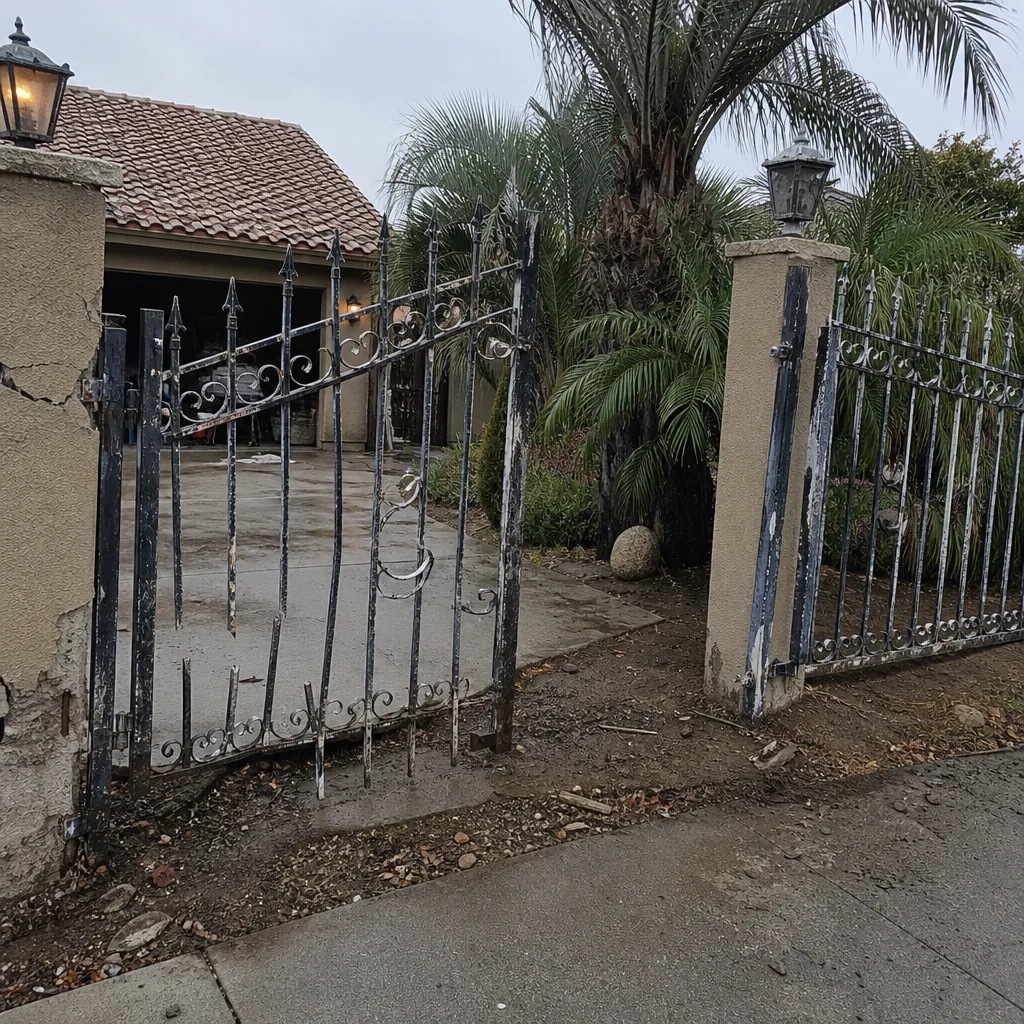
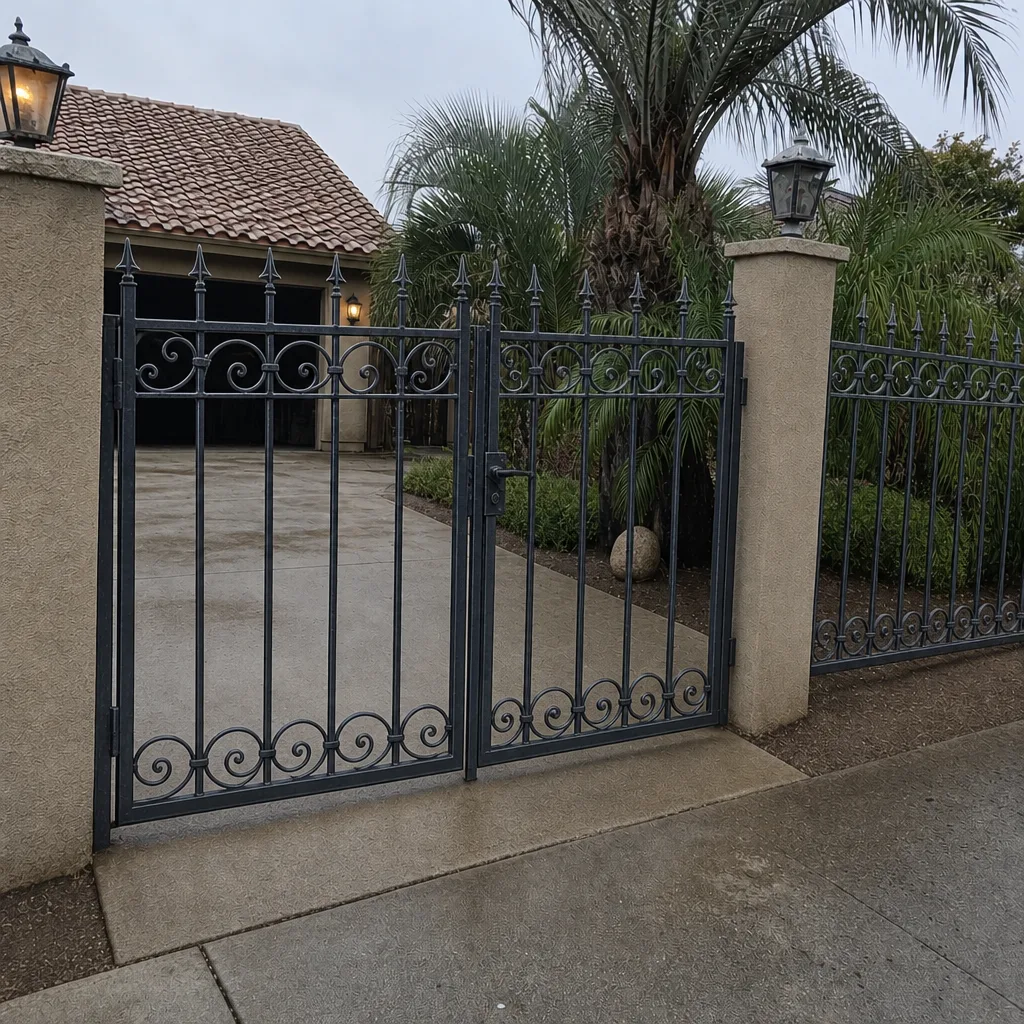
See the difference
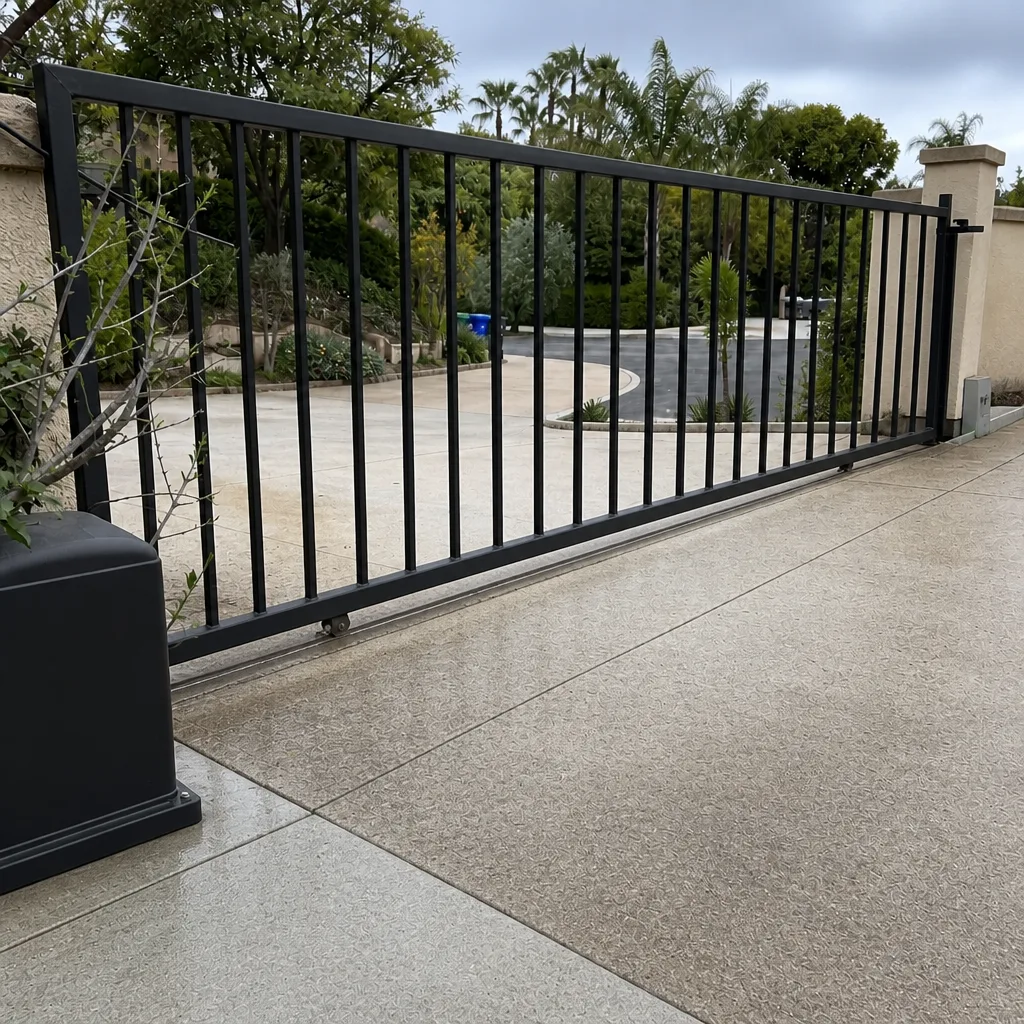
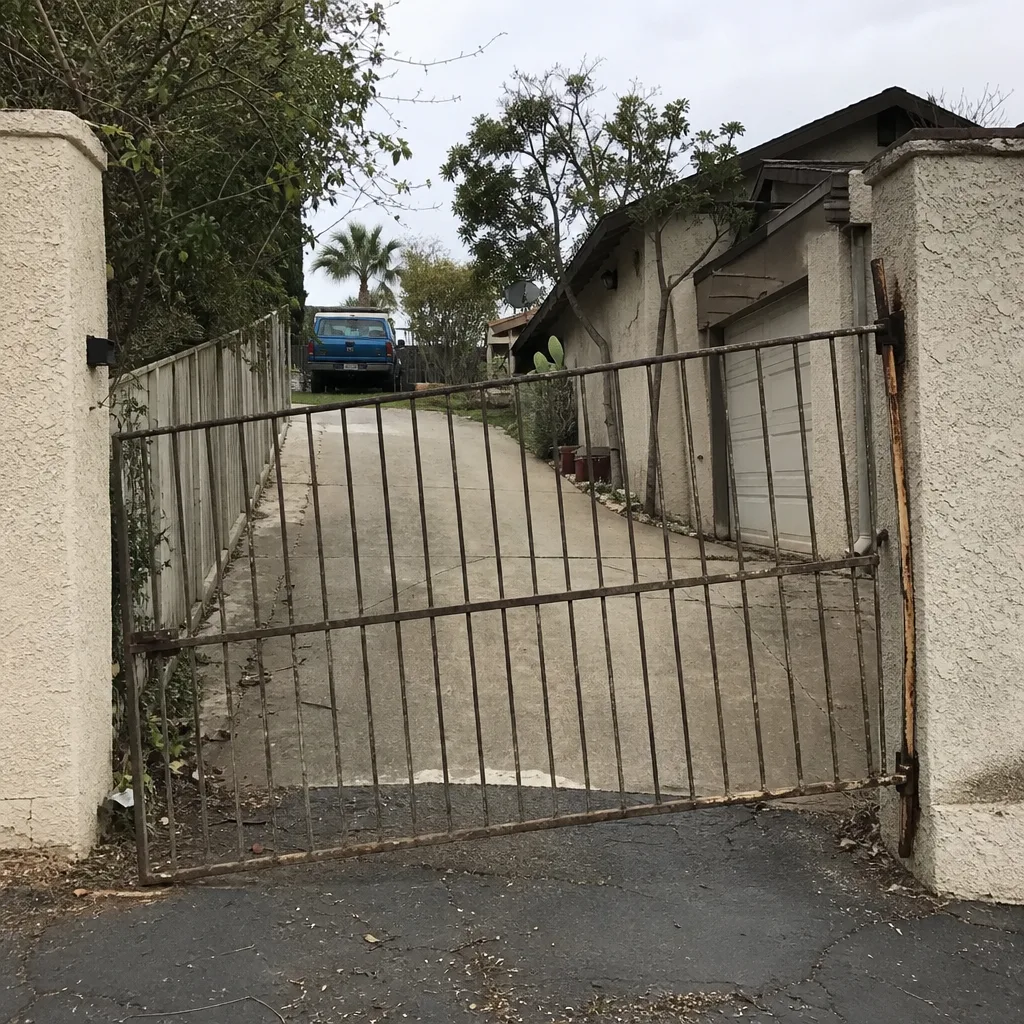 Before
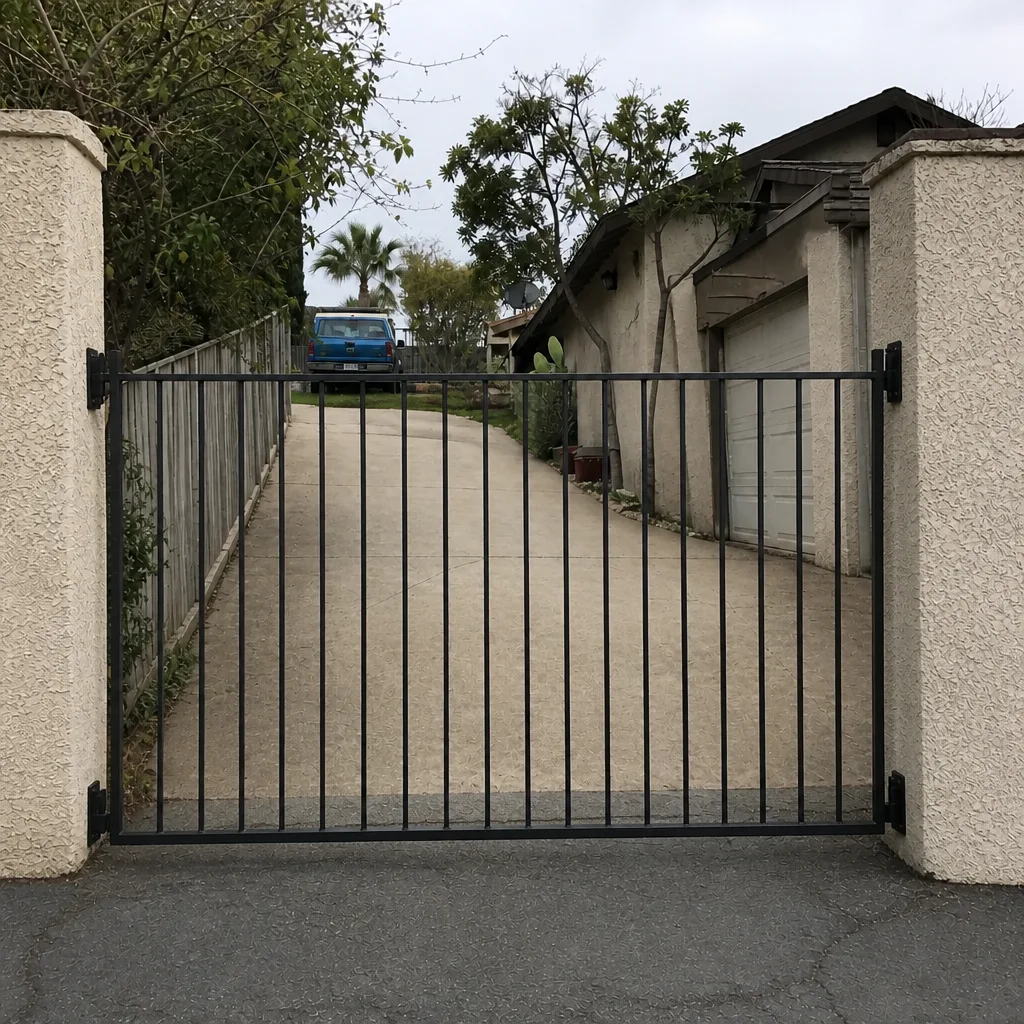 After
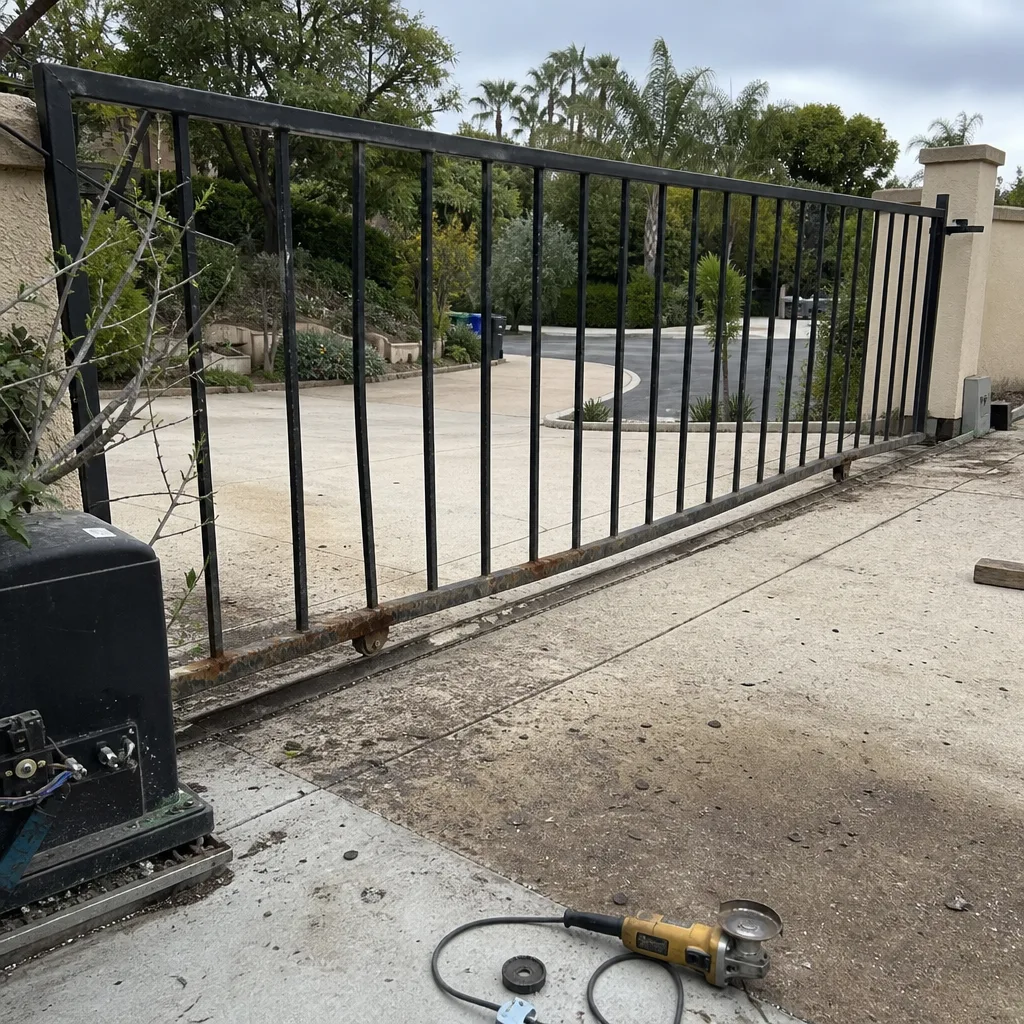 Before
 After
 Before
 After
When to Call a Professional
Some gate problems are safe to inspect yourself, like testing the manual release or checking for visible sag. Others need a trained hand. If the gate has come off its track, if a post has shifted visibly, if the operator sparks or smells of burning, or if the gate reverses unpredictably on people or vehicles, stop using it and call a professional. Heavy gates and powered operators can cause serious injury when they fail under load. The wiring inside an operator also carries live voltage, and that’s not a place for guesswork. Prairie Gate Repair offers free estimates in Laguna Niguel, call (855) 382-6561 and we’ll get your gate looked at properly.
Frequently Asked Questions
Gate repair costs vary by what failed. A simple hinge bearing or sensor replacement runs lower than a full operator or control board replacement, and the written estimate sets the final price before any work starts. Call (855) 382-6561 for a free estimate on your specific gate.
Same-day service is available for many repair calls. Call (855) 382-6561 and we’ll tell you if the day’s schedule has an opening. We answer 24/7. Fast dispatch from 7am to 7pm, Sunday through Friday.
We work on LiftMaster, FAAC, BFT, Linear, Viking, Ghost Controls, DoorKing, Elite, and Mighty Mule systems. Whether your gate runs a residential brand like Mighty Mule or a commercial system like DoorKing, we diagnose by that brand’s own logic. Call (855) 382-6561 and we’ll confirm before scheduling.
Gate repair covers the physical structure, hinges, posts, tracks, rollers, and the gate itself. Electric gate repair covers the automation: operators, control boards, sensors, loops, remotes, and wiring. We handle both, and the first step on any visit is figuring out which one you actually have.
It depends on the operator, the gate’s weight, the slope, and the environment. Coastal air shortens some component life, and a sloped driveway stresses the operator more than a flat one. If your operator failed early, especially if it’s the second or third one, the issue may be sizing or installation rather than the unit itself.
When the gate frame is rusted through, when the posts have shifted significantly, or when the cost of repair approaches the cost of a new gate that’s built for the site conditions, replacement wins. We’ll give you a straight answer either way, and the written estimate covers what we actually recommend. Call (855) 382-6561 to schedule a look.
The Bottom Line
Gate repair in Laguna Niguel comes down to correct diagnosis. Coastal air corrodes specific components. Hillside driveways stress hinges and operators in ways flat-ground technicians miss. Operator issues get mistaken for structural issues and vice versa. And brand mismatches from years of piecemeal repairs create faults that no single component swap resolves. A specialist who works across multiple gate and operator systems, and who tests the whole system before replacing anything, will find the real source and fix it once. That’s the difference between a repair that lasts and a patch that schedules your next call.
Written by the team at Laguna Niguel gate specialists, Prairie Gate Repair, serving Laguna Niguel since 2013.