
Last updated November 4, 2026
 Wrought iron
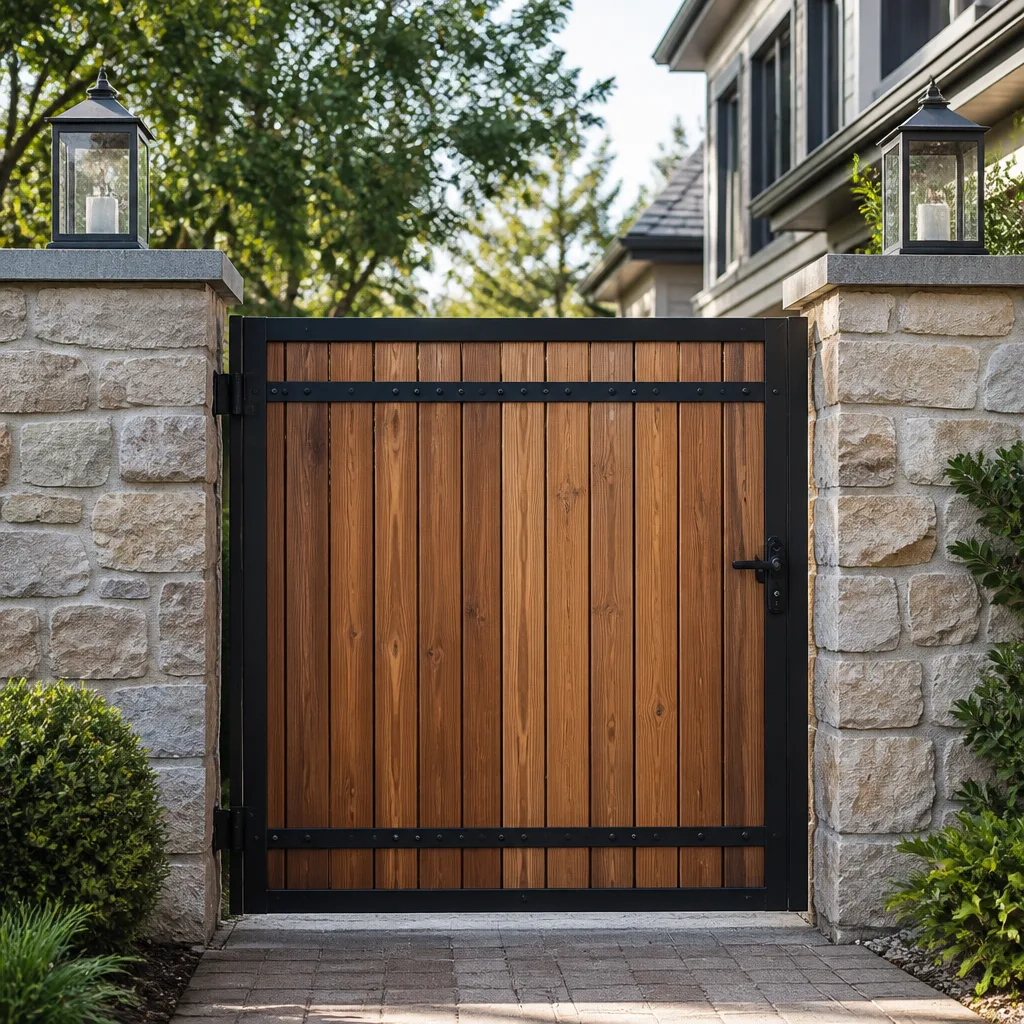 Wood & steel frame
 Farm & ranch
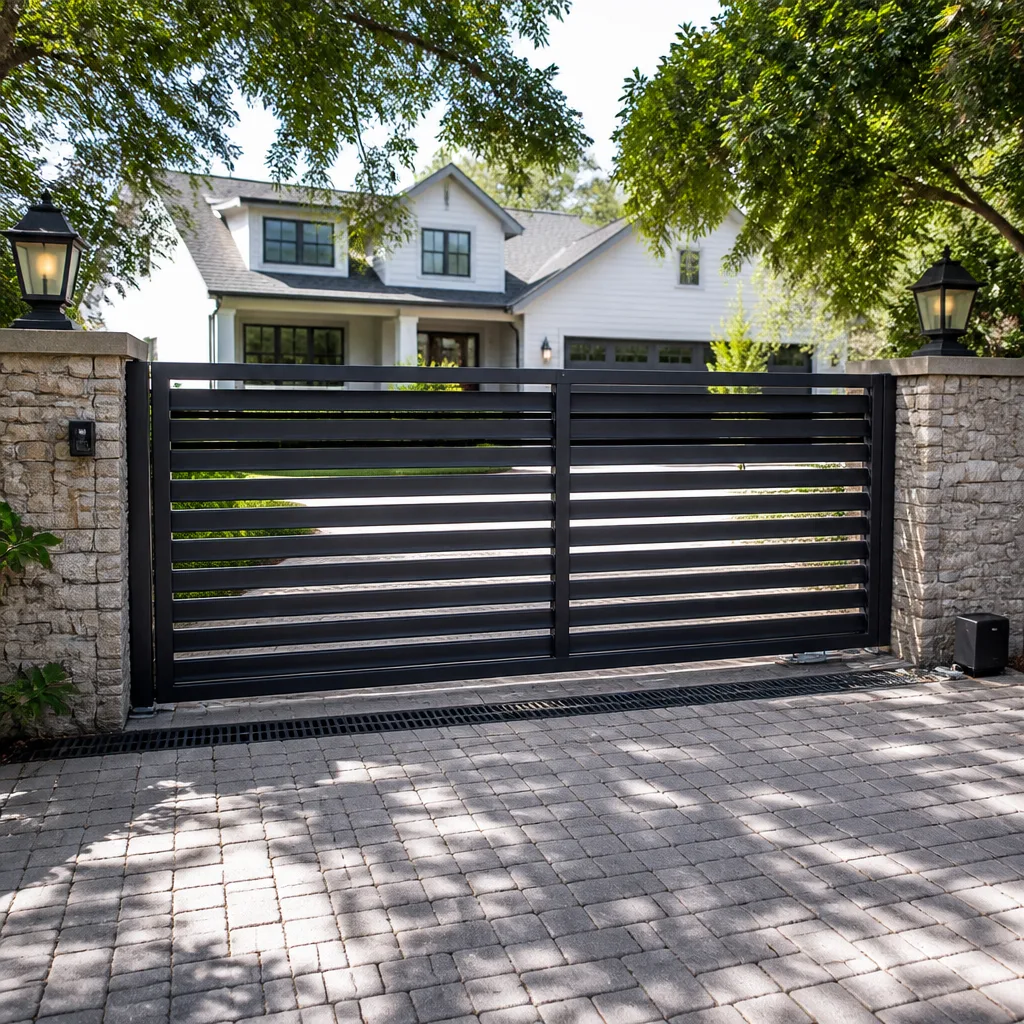 Sliding driveway gates
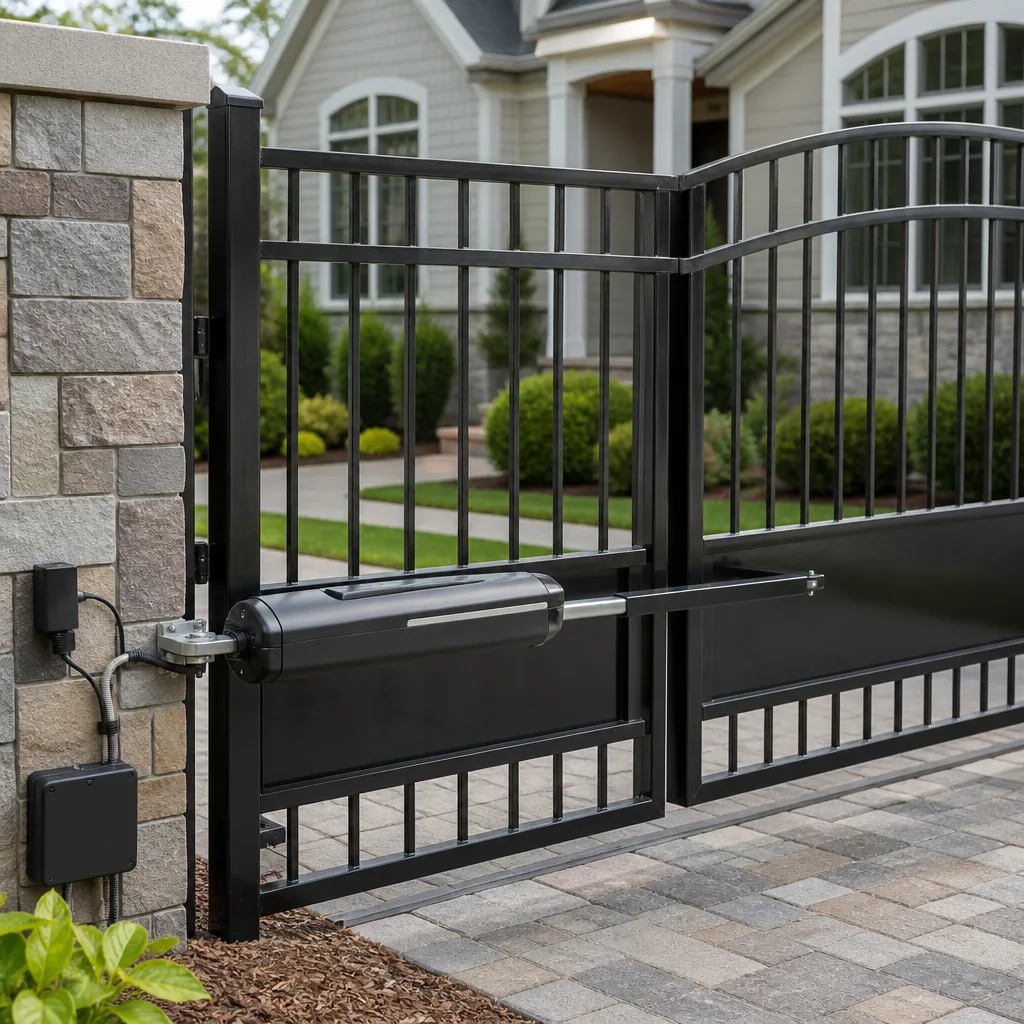 LiftMaster operators
Free on-site gate assessment - hinges, posts, and your LiftMaster or Nice gate operator checked before anything is quoted
The assessment is free and the quote is the invoice.
Get your free estimateGate Repair Maintenance Checklist for Laguna Niguel Homeowners
Most maintenance checklists tell you to “lubricate hinges annually.” That’s about as useful as telling someone to “check the car.” A gate in Laguna Niguel doesn’t wear evenly through the year. Dry Santa Ana winds pull moisture out of seals in October. Coastal humidity in June makes cheap lubricants break down faster than the can promises. Your gate’s moving parts, operator, and frame all respond to these shifts differently. What actually extends the life of a gate is inspecting the right things at the right time, in the right order. This guide gives you that sequence, written from what we’ve seen on hundreds of driveway gates and commercial access points across Laguna Niguel. You’ll learn which tasks are safe to do yourself, which products actually hold up here, and which jobs need a specialist before a small issue becomes a full gate replacement.
Quick Answer
A proper gate maintenance routine in Laguna Niguel means seasonal inspection of hinges, welds, operator force settings, safety sensors, and battery backup, using lubricants formulated for coastal humidity rather than basic petroleum sprays. Most visual inspections take under fifteen minutes and should happen every three to four months. If you notice the gate slowing down, grinding, or reversing without reason, stop using it and call a gate specialist before the operator burns out.
Styles & brands we work with
- Wrought iron
- Wood & steel frame
- Farm & ranch
- Sliding driveway gates
- LiftMaster operators
Table of Contents
- The Seasonal Rhythm of Gate Maintenance in Laguna Niguel
- Lubrication: What Actually Holds Up in Coastal Humidity
- How to Test Gate Balance and Why It Matters
- Battery Backup: The Step Most Checklists Skip
- Weld and Frame Joint Inspection: Catching Rust Before It’s Structural
- What You Can Safely Do Yourself vs. What Needs a Technician
- Common Mistakes to Avoid
- When to Call a Professional
- Frequently Asked Questions
The Seasonal Rhythm of Gate Maintenance in Laguna Niguel
Laguna Niguel doesn’t get freeze-thaw cycles or snow load, but the climate still punishes gates in predictable waves. The dry Santa Ana season from September through December pulls moisture out of rubber seals and weatherstripping, which leads to cracking and shrinkage. The wetter spring months bring humidity that works its way into any gap in the powder coating or galvanized layer. If you schedule maintenance around these two forces, you’ll catch most failures before they start.
Here’s the sequence we recommend for Laguna Niguel homeowners:
- Early spring (March-April): Inspect all rubber seals, weatherstripping, and operator housing gaskets for cracks from the dry season. Clean the track or rail thoroughly. Test the reversing mechanism.
- Early summer (June-July): Lubricate hinges, rollers, and the chain or drive screw. This is when humidity is highest, and unlubricated metal starts binding.
- Late summer (September): Check battery backup function before Santa Ana season. Test the operator’s force settings while the gate is clean and dry.
- Early winter (November-December): Inspect welds, frame joints, and the bottom rail for rust. Tighten any fasteners that shifted during the windy season. Run a full open-close cycle while watching and listening.
This order isn’t arbitrary. It follows the actual stress cycle of a southern California gate, which is wind, dryness, humidity, and wind again. A gate that’s maintained in this sequence will age predictably, and predictable aging means fewer surprise failures.
Lubrication: What Actually Holds Up in Coastal Humidity
The single most damaging maintenance product on a Laguna Niguel gate is the basic petroleum spray most people already have in the garage. WD-40 and similar products have their place, but they’re not gate lubricants. In coastal humidity, a light petroleum spray evaporates or thins out within weeks, leaving metal parts with less protection than they had before. What you want is a heavier synthetic lubricant or a white lithium grease that stays in place and resists moisture.
Here’s what to use where:
- Hinges and pivot points: White lithium grease applied sparingly. Wipe away excess so dust from dry-season winds doesn’t stick to it.
- Chain drives: A chain-specific spray lubricant that penetrates the links without flinging off. Apply to the inside of the chain, not the outside.
- Rollers and track: Silicone-based spray. It keeps rolling surfaces smooth without attracting the fine grit that blows through Laguna Niguel during Santa Ana events.
- Operator drive screw: The manufacturer’s recommended grease only. Using the wrong product on a LiftMaster or DoorKing operator can void the warranty.
- Slide gate track and wheels: Clean first, then a light silicone spray on the wheels. Dirt mixed with heavy grease forms a grinding paste that wears down wheels and track fast.
We’ve repaired gate repair jobs where the only real problem was a homeowner lubricating every moving part with the same can of light oil for years. The gate started binding, the operator worked harder, and eventually the control board failed. The fix was a thorough cleaning and the right lubricant, but by then the board replacement had already happened. Lubrication is cheap insurance, but only when it’s the right product for the job.
How to Test Gate Balance and Why It Matters
An automatic gate should open and close with steady, even effort. When you put the operator in manual release (usually a pull handle or key on the operator housing), the gate should move by hand without catching, sagging, or wanting to swing shut on its own. If you feel resistance or hear grinding while pushing the gate manually, the operator is working harder than it should. That’s a structural warning, not just an annoyance.
Here’s the test, step by step:
- Put the operator in manual release according to the manufacturer’s instructions. Each brand differs. A Mighty Mule release is not the same as an Elite release.
- Push the gate open and closed by hand. It should move with consistent effort the entire length of travel.
- Let go of the gate halfway open. A properly balanced swing gate should stay roughly where you left it. A slide gate should remain on the track without creeping.
- Listen for grinding, scraping, or clicking. Any of those sounds means something is misaligned, worn, or under-lubricated.
- Re-engage the operator and run one full cycle. Watch for hesitation, jerking, or the gate speeding up and slowing down unevenly.
In Laguna Niguel, we see sagging more often on properties with long driveway gates that face prevailing winds. The wind pushes against the gate leaf, and over time the hinges settle. A gate that sags by even half an inch changes the geometry enough to strain the operator. The operator compensates by drawing more current, which shortens its life. A technician can often correct the alignment before it becomes an operator replacement.
Battery Backup: The Step Most Checklists Skip
Almost every automatic gate in Laguna Niguel should have a battery backup, and almost no generic maintenance checklist mentions it. Santa Ana wind events are the most common cause of local power outages, and they tend to arrive when you least want to be outside manually opening a gate. Battery backup systems keep your gate operating during an outage, and they’re also a critical safety feature for properties where the gate is the primary access point.
Checking a battery backup takes less than five minutes:
- Locate the battery inside the operator housing or a separate enclosure.
- Look for corrosion on the terminals. White or green buildup means the connection is degrading.
- Check the battery’s date. Most gate backup batteries last three to five years, depending on heat exposure.
- If your operator has a test function, run it. Or disconnect power briefly and operate the gate on battery only.
- Reconnect power and confirm the battery begins recharging. Some chargers show a status LED.
We’ve seen gates in Laguna Niguel where the backup battery died years ago and the homeowner never knew, because the gate only used it during an outage. When the outage came, the gate wouldn’t move, and the family couldn’t get a car out. This is one of those maintenance items where the cost of checking is almost zero, and the cost of ignoring it is a locked driveway when the wind takes the power out.
Weld and Frame Joint Inspection: Catching Rust Before It’s Structural
Wrought iron and aluminum gates in Laguna Niguel face one consistent threat: moisture finding its way through a pin-sized gap in the finish. Once water gets under powder coating or paint, rust starts working outward from the inside. By the time you see a brown stain on the surface, the metal underneath has already been degrading for months.
Here’s the visual inspection sequence, in order:
- Start at the hinges. These carry the weight of the gate and are the most common failure point. Look for rust at the weld points and where the hinge post meets the masonry column.
- Move to the bottom rail. This is where moisture collects. Check the underside where water drips down and sits.
- Inspect every weld joint. On a wrought iron gate, that means each picket where it meets the top and bottom rails. On an aluminum gate, check the frame corners and the panel attachment points.
- Look at the gate’s connection to the operator. The bracket that secures the operator arm takes a beating every cycle. Any cracking here is serious.
- Check the frame posts. Push hard against each post. They shouldn’t flex at the ground line. Movement means the footing or anchor bolts are compromised.
Surface rust on a weld is not an emergency, but it is a warning. If you catch it early, you can sand it down, treat it with a rust converter, and touch up the finish. If you wait until the weld cracks, you’re beyond touch-up and into structural repair. Wrought iron gates tend to rust at the welds first because the welding process removes the protective galvanization around the joint. Aluminum gates don’t rust the same way, but they do oxidize, and the white powdery corrosion around joints means the finish has failed.
What You Can Safely Do Yourself vs. What Needs a Technician
There’s a line between maintenance and electric gate repair, and it’s drawn around electricity and safety systems. A homeowner in Laguna Niguel can absolutely do the visual and mechanical maintenance we’ve described. Cleaning tracks, lubricating hinges, checking welds, testing the battery, and running a manual balance test are all safe, valuable tasks. None of them require opening an energized panel or touching a safety circuit.
Here’s the split:
Do it yourself:
- Visual inspection of welds, hinges, and track
- Cleaning the gate, track, and operator housing
- Applying the correct lubricant to hinges, rollers, and chain
- Testing manual operation and balance
- Checking battery backup and terminal corrosion
- Tightening visible fasteners on the gate frame
Call a technician:
- Any work involving the operator’s wiring, control board, or power supply
- Adjusting force settings or reprogramming limit switches
- Replacing or repairing safety sensors, photo eyes, or edge sensors
- Realigning a sagging gate or servicing hinges that carry significant weight
- Any repair to the operator arm, actuator, or drive mechanism
- Replacing a failed control board or motor
A specific caution: the operator’s wiring and power supply carry enough voltage to cause serious injury. Do not open the operator housing while it’s powered. The battery backup we mentioned earlier means an operator can remain energized even when the main breaker is off. If a repair requires opening a panel or testing a circuit, that’s a job for someone who works on gate systems every day.
We work on LiftMaster, FAAC, BFT, Linear, Viking, Ghost Controls, DoorKing, Elite, and Mighty Mule systems specifically. That matters because each brand has its own programming logic, its own failure patterns, and its own warranty requirements. A technician who knows the brand’s own logic can diagnose faster and fix it right the first time.
Common Mistakes to Avoid
- Using one lubricant for everything. A chain drive needs a chain lubricant. Hinges need lithium grease. Rollers need silicone spray. Using one product everywhere means at least one component is being damaged by the wrong chemistry.
- Ignoring a slowing gate. A gate that gradually opens slower than it used to is not “just getting old.” It’s telling you the operator is working harder. That extra strain shortens the operator’s life and usually means a mechanical issue is developing.
- Painting over rust without treating it. A quick coat of paint over an active rust spot looks good for six months and then the rust pushes through. The rust has to be converted or removed before the paint goes on.
- Leaving a gate in manual release mode after a power outage. We’ve seen this in Laguna Niguel more than once. The outage ends, the operator stays in manual mode, and the gate sits there unsecured for weeks. Always re-engage the operator after an outage.
- Oiling safety sensors instead of cleaning them. Photo eyes and edge sensors don’t need lubrication. A dirty lens causes false reversals. Clean with a soft dry cloth and leave them alone.
- Skipping the battery because “the gate works fine.” The battery only proves itself during an outage. By the time you need it, it’s too late to test it.
- Tightening a sagging gate by cranking on every bolt you can find. Gate alignment is a geometry issue, not just a torque issue. Overtightening the wrong fastener can make a sag worse and put stress on the operator.
When to Call a Professional
Some problems show up as a symptom you can hear or see, but the root cause is inside the operator or the gate’s geometry. If the gate makes a grinding sound while moving, reverses without anything in the path, or trips the circuit breaker more than once, stop using it and call. If the gate is off its track, dragging on the ground, or the hinges are visibly separating from the post, that’s a structural failure that gets worse every cycle. A gate that falls over is more than an inconvenience. It’s a safety hazard for anyone nearby, especially children or pets. Prairie Gate Repair offers free estimates in Laguna Niguel. Call (855) 382-6561. We answer 24/7. Fast dispatch from 7am to 7pm, Sunday through Friday.
Frequently Asked Questions
Lubricate hinges, rollers, and any chain drive every three to four months, timed around the seasonal shifts. Use a synthetic or white lithium product rather than a light petroleum spray, which breaks down quickly in coastal humidity.
You can clean the housing, check the battery backup, and run the manual balance test yourself. Do not open the operator housing to adjust force settings or wiring. That work belongs with a technician who knows the brand’s programming logic. Call (855) 382-6561 for a free estimate.
A basic inspection for a residential gate typically falls in the $75 to $150 range, while more involved diagnostics on a commercial operator may run higher. The estimate is free, and the price is set per job by the written estimate before any work starts.
Heat expands metal and thins lubricants, which increases friction on moving parts. If the gate slows down noticeably during a Laguna Niguel heat spell, the operator is compensating for added resistance. That usually means a lubrication or alignment issue needs attention.
Yes. We service Mighty Mule, Elite, LiftMaster, DoorKing, and five other major operator brands. Each system gets diagnosed by its own brand logic, not by guesswork.
We’re closed Saturday and open Sunday through Friday, 7am to 7pm. Call (855) 382-6561 and we’ll book you into the next available opening.
The Bottom Line
Gate maintenance in Laguna Niguel is about timing, not just tasks. Dry Santa Ana winds and coastal humidity damage different parts of the gate at different times of year, and a checklist that ignores the local sequence misses the point. Lubricate with the right product, test balance manually, check the battery before wind season, and inspect welds before rust turns structural. Most of this work is safe to do yourself. The rest belongs with a specialist who knows your operator brand. Call (855) 382-6561 for a free estimate and a written price before any work starts.
Written by the team at Prairie Gate Repair, serving Laguna Niguel since 2013.
See the difference
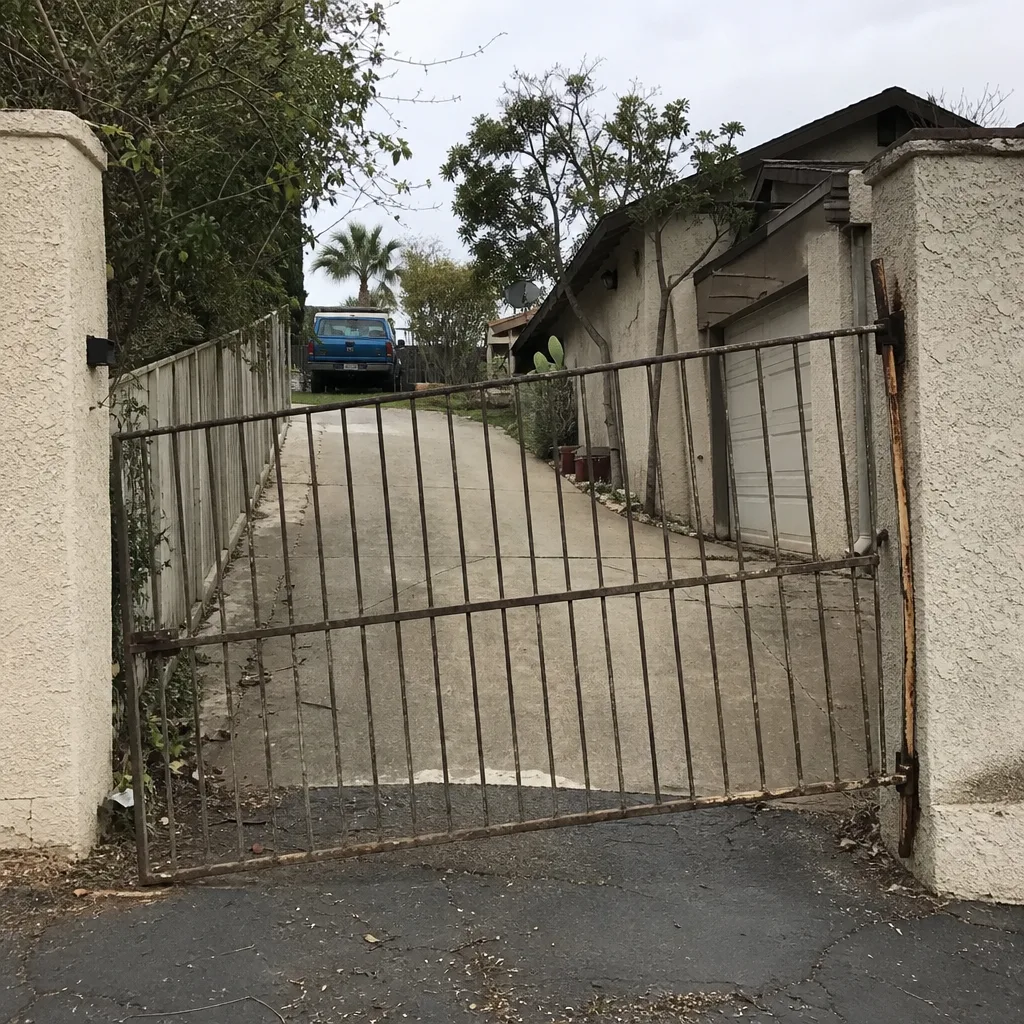 Before
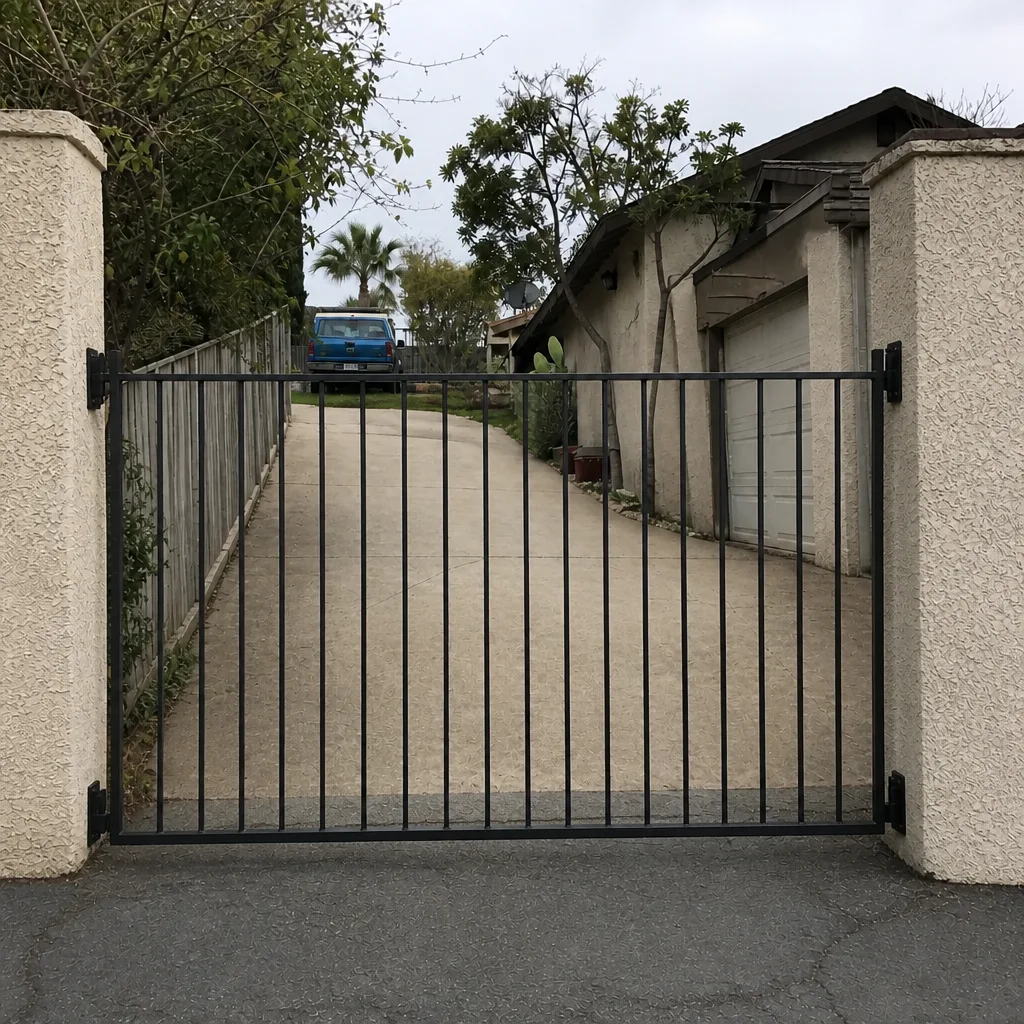 After
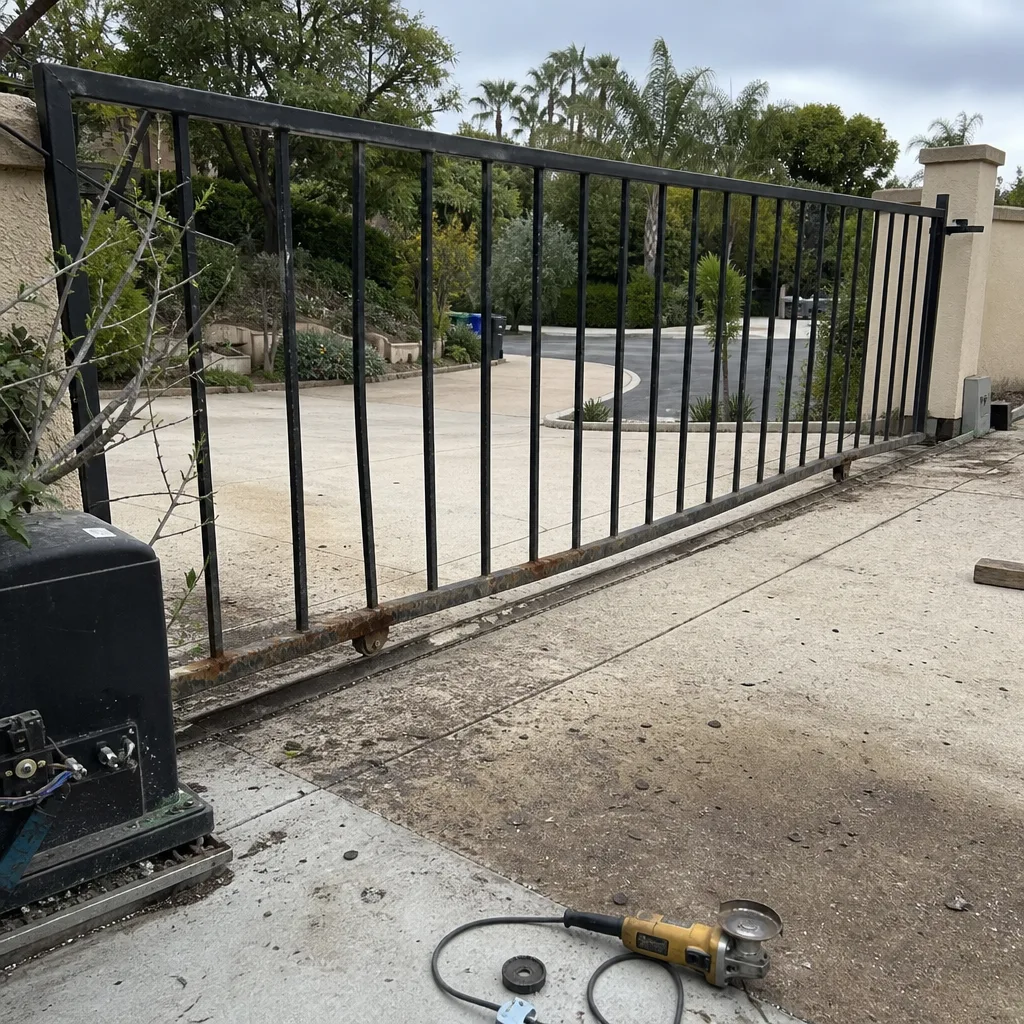 Before
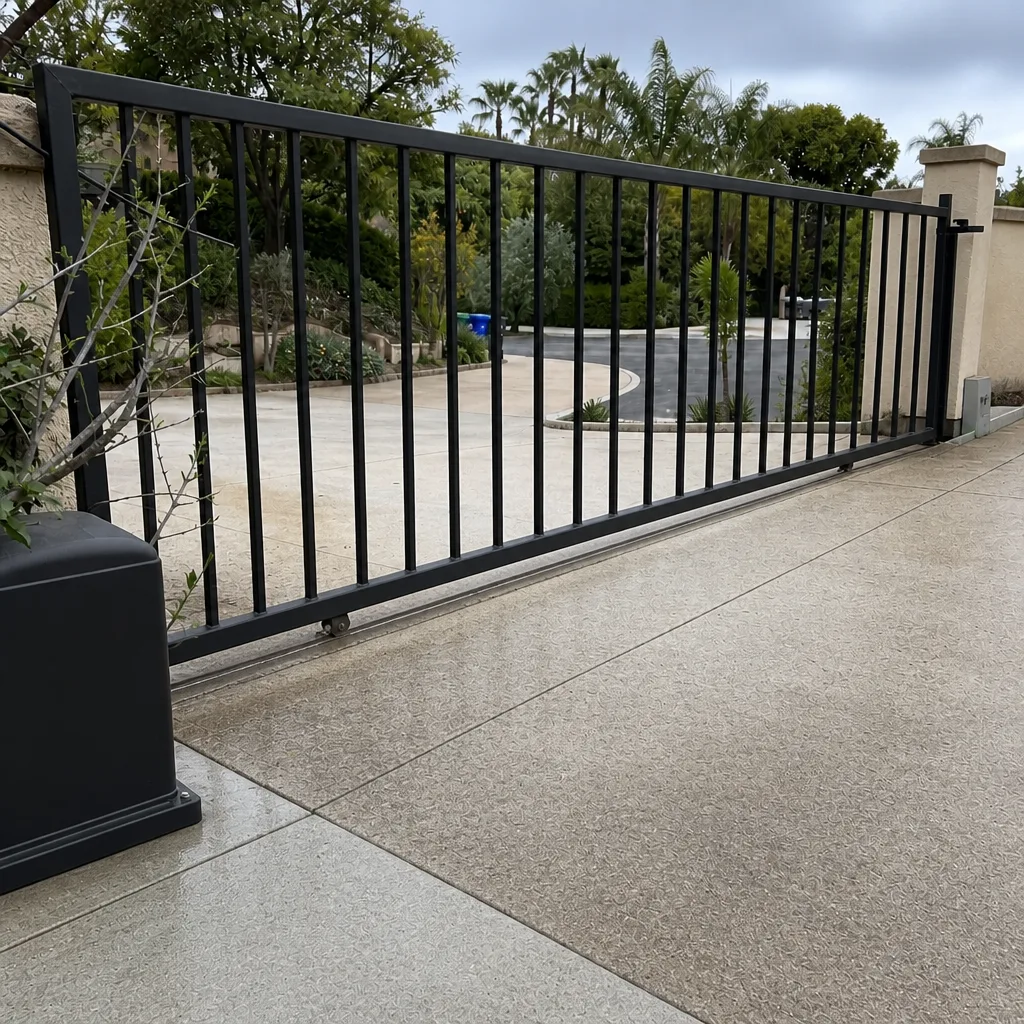 After
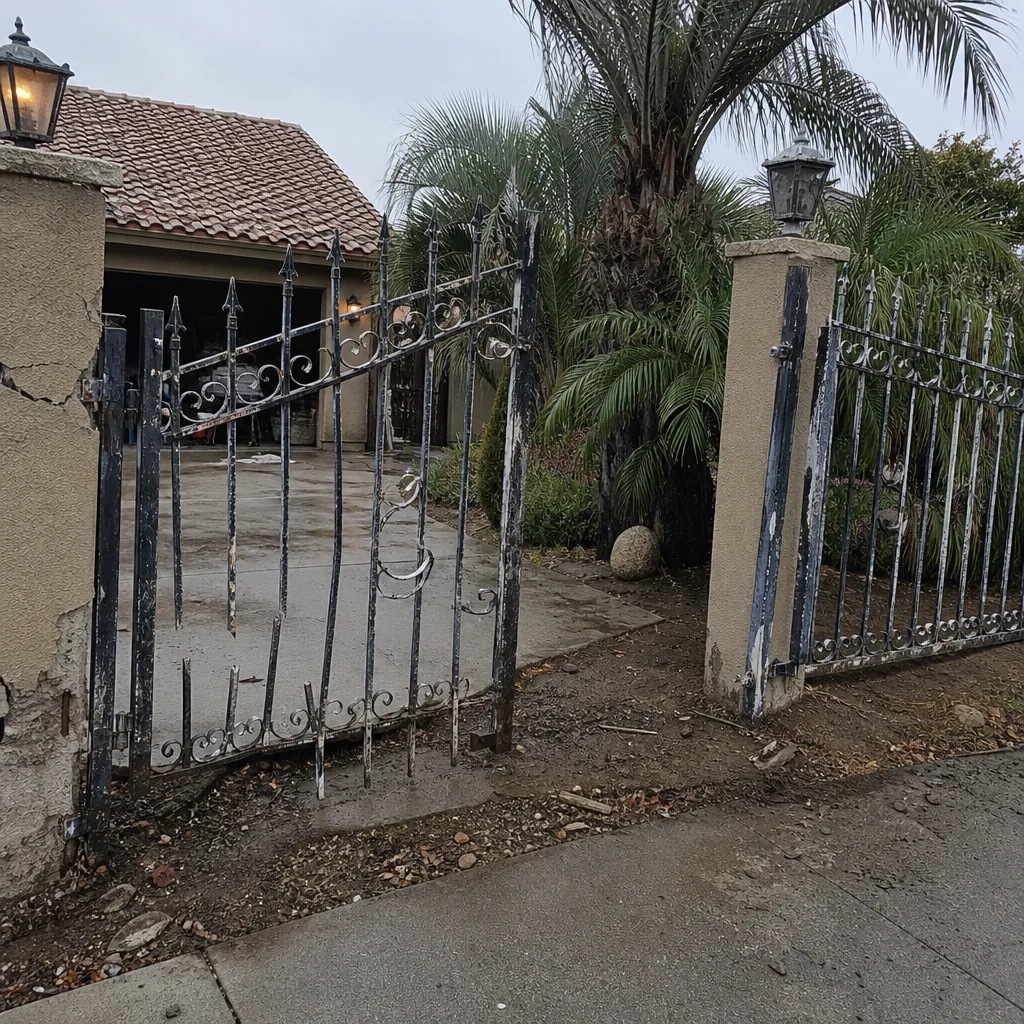 Before
 After