
Last updated November 4, 2026
 Wrought iron
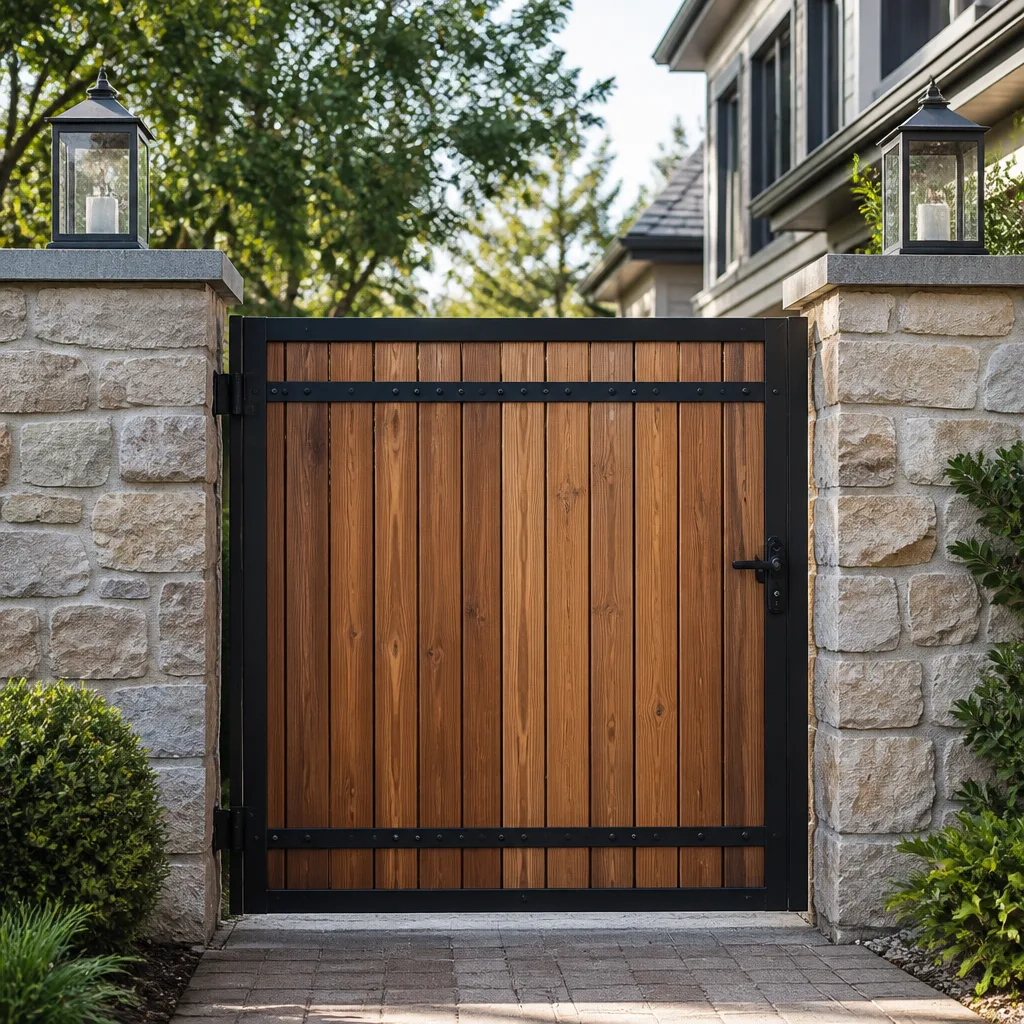 Wood & steel frame
 Farm & ranch
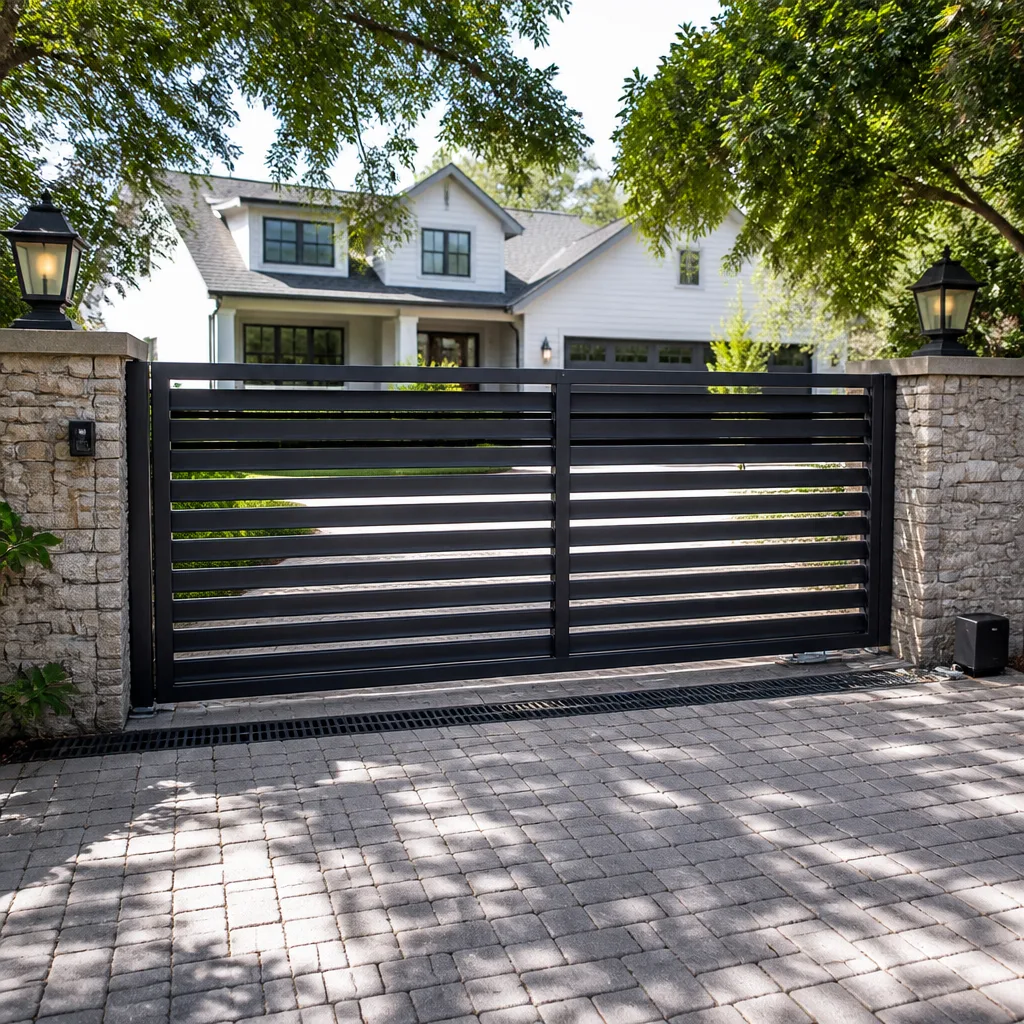 Sliding driveway gates
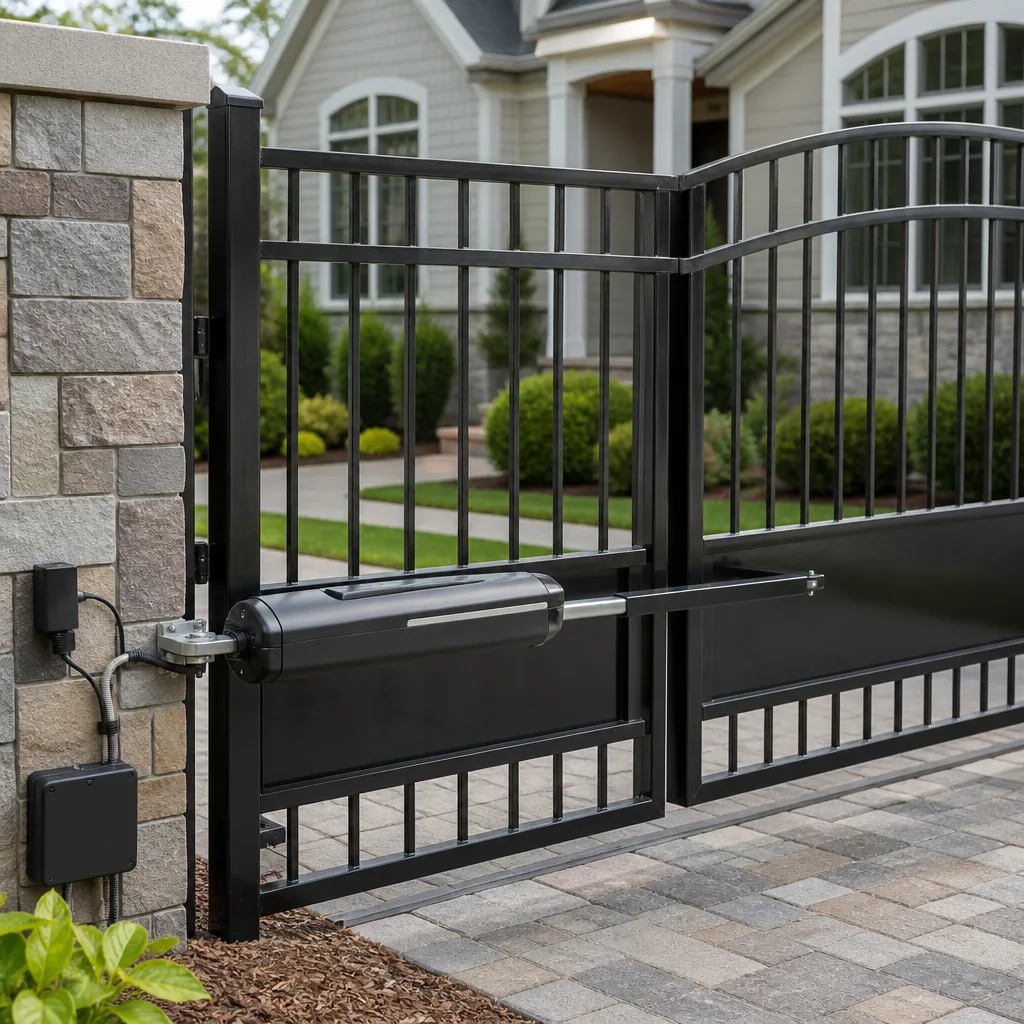 LiftMaster operators
Free on-site gate assessment - hinges, posts, and your LiftMaster or Nice gate operator checked before anything is quoted
The assessment is free and the quote is the invoice.
Get your free estimateGate Repair Maintenance Schedule: What to Do and When
The most expensive gate repairs in Orange County happen in October, not because anything breaks that month, but because nobody addressed what the marine layer did to hinges and control boards all summer. A gate that works fine in July can fail catastrophically when the first post-summer rain arrives, because moisture has been quietly working its way into electrical connections for months. This guide gives Laguna Niguel property owners a maintenance schedule built around our actual climate cycle, not a generic calendar. You’ll learn what to check each month, which components degrade fastest in coastal canyon air, and when a task is safe for you versus when it belongs with a technician.
Styles & brands we work with
- Wrought iron
- Wood & steel frame
- Farm & ranch
- Sliding driveway gates
- LiftMaster operators
Quick Answer
A practical gate maintenance schedule in Laguna Niguel means monthly visual checks and lubrication during marine layer season from May through August, a full hardware inspection after the first significant rain in November, operator and sensor testing twice a year in March and September, and professional calibration of automated systems every 18 to 24 months. The schedule shifts by material: wrought iron needs rust treatment every fall, aluminum needs fastener checks twice a year, and wood gates need sealing before winter rains arrive. Most component failures give you six to eight weeks of warning signs before they become emergency repairs, which is exactly what this schedule is designed to catch.
Table of Contents
- Why Laguna Niguel’s Climate Demands a Different Maintenance Calendar
- The Month-by-Month Maintenance Schedule
- Component-Specific Service Intervals by Gate Material
- The Five Lubrication Points Most Homeowners Skip
- Operator and Control Board Maintenance: What Actually Matters
- How to Log Gate Behavior to Catch Failures Early
- Warranty Implications: What Resets the Clock and What Voids It
- Common Mistakes to Avoid
- When to Call a Professional
- Frequently Asked Questions
- The Bottom Line
Why Laguna Niguel’s Climate Demands a Different Maintenance Calendar
A generic quarterly gate checklist fails in Laguna Niguel because our environmental stressors are seasonal and specific. The marine layer that rolls through coastal Orange County from late spring through summer delivers months of consistent moisture, often without any rain. That moisture settles on metal surfaces, seeps into electrical enclosures, and accelerates corrosion on untreated hardware. It works slowly, which is why most property owners don’t notice it until a gate starts binding in September or an operator trips a breaker in October.
Santa Ana wind events add a second stressor that most gate maintenance guides ignore. Those hot, dry winds arrive most often from September through January, and they do two things to gate systems. First, they push fine dust and grit into tracks, rollers, and operator mechanisms. Second, they dry out lubricants faster than normal, leaving metal-on-metal contact where you had smooth operation. A gate that ran quietly in August can start grinding by November if it hasn’t been re-lubricated after Santa Ana season begins.
The post-rain period, typically November through March, introduces a third set of problems. Water gets into places it shouldn’t, and it reveals every gap in weatherproofing. Control board enclosures that kept out summer moisture may not keep out driven rain, and any gate with a slight misalignment becomes more obvious when wet hinges swell or wood panels expand. This is why we schedule our own maintenance thinking in Laguna Niguel around these three cycles: marine layer, Santa Ana winds, and winter rain. The calendar months are just markers for those conditions.
The Month-by-Month Maintenance Schedule
Here is a practical month-by-month breakdown built for Laguna Niguel’s climate. Each task is short enough to do in a single pass, and together they prevent the slow degradation that leads to emergency calls.
January to March: Rain Response and Drainage Checks
After winter rains, check the gate’s path for debris buildup and inspect the base of gate posts for standing water. Water pooling around posts is the single biggest predictor of premature post failure. If you see pooling, clear the drainage path or grade the soil away from the post. Check the operator’s control board enclosure for signs of moisture intrusion, condensation, or corrosion on terminals. Test the auto-reverse or obstruction sensor on an automated gate, because sensors get dirty in winter and a dirty sensor is a failed sensor.
April and May: Marine Layer Preparation
Before the marine layer sets in, apply a corrosion inhibitor or rust treatment to any exposed steel hardware on wrought iron gates. This is the single most effective annual task for iron gates in Laguna Niguel. Check all weather seals on operator housings and replace any that look cracked or compressed. Lubricate all moving points with a silicone-based lubricant before the humid season starts, because lubricant applied to already-corroded hardware does nothing.
June through August: Monthly Rust and Lubrication Checks
During marine layer season, do a quick monthly walk-around. Look for new rust spots on iron, bubbling paint on metal gates, and any white powdery oxidation on aluminum. That white powder is aluminum corrosion, and while it won’t eat through the metal like rust does, it binds hinges and locks. Re-lubricate high-friction points monthly during these months if you notice any change in gate noise or resistance. Check that weep holes on metal gate frames are clear so moisture can escape.
September and October: Santa Ana Wind Protocol
Clean tracks and rollers after the first Santa Ana wind event, because the dust those winds carry turns into abrasive paste inside a track. Inspect all fasteners, especially on gate hinges and post brackets, because sustained wind stresses connections in ways the gate doesn’t experience at other times of year. Test the operator’s force settings, since a gate that has drifted out of alignment will fight the operator more, and the operator will let you know by tripping more often. If your gate hesitates, reverses, or pauses mid-cycle, that’s a sign the force settings need professional attention.
November and December: Post-Rain Inspection and Operator Testing
After the first significant rain of fall, run a full cycle test on your automated gate. Listen for changes in sound, watch for hesitation at any point in the travel, and check that safety sensors stop and reverse the gate. Inspect the control board for any signs of moisture, and if the gate is wood, check for swollen panels or misalignment that appeared after the rain. Sand and refinish any areas on a wood gate where the sealant has failed. This is also the right time to schedule professional maintenance on the operator if you haven’t had it done in the past two years.
Component-Specific Service Intervals by Gate Material
Different gate materials fail on different timelines, and a maintenance schedule that treats them identically misses the point. Here is what actually matters for each material found on Laguna Niguel properties.
Wrought Iron Gates
Wrought iron is the most rust-prone material in coastal canyon air, and it demands the most regular attention. Untreated iron in Laguna Niguel’s marine layer can show surface rust within a single season. The critical interval is the annual fall rust treatment, done before winter rain arrives. In practice, we tell our iron gate customers to treat rust twice a year if they’re close to open canyons where the marine layer sits longest.
- Every 6 months: Treat surface rust with a rust converter or inhibitor, then seal with paint or a clear protective coat.
- Monthly during marine layer season (May to August): Check hinges, handle hardware, and post brackets for new rust spots.
- Annually in fall: Inspect all welds and joints for hairline cracks, since rust weakens these points first.
- Every 3 to 5 years: Plan for full surface preparation and repainting, more often if the gate sits in full marine exposure.
Aluminum Gates
Aluminum doesn’t rust, but it corrodes in a way that binds moving parts. The white powder that forms on aluminum hardware is oxidation, and it builds friction in hinges and latch mechanisms. Aluminum also expands and contracts with temperature, which means fasteners loosen more than on steel. The two most useful tasks are checking fastener torque twice a year and cleaning oxidized hardware every fall.
- Every 6 months: Check hinge bolts and post mounting hardware for looseness.
- Annually: Clean white oxidation from hinges, handles, and any moving connection points.
- Every 2 years: Inspect the gate frame for stress cracks, especially at welded corners.
Wood Gates
Wood gates in Laguna Niguel don’t face freeze-thaw cycles, but they do face moisture from the marine layer and winter rain. The critical task is sealing, and the timing matters more than most people think. A wood gate sealed in spring will fail by winter because the sealant breaks down under months of UV exposure. Autumn sealing is the right approach.
- Annually in October or November: Apply sealant or exterior-grade paint to all wood surfaces, including the bottom edge.
- Quarterly: Check for swollen panels or misalignment, especially after rain.
- Every 2 years: Tighten hinge hardware, since wood compresses over time and hardware loosens.
- Every 3 to 5 years: Resand and fully refinish the gate, more often for gates in direct afternoon sun.
The Five Lubrication Points Most Homeowners Skip
Lubrication is the single highest-value maintenance task on a gate, and most property owners do it wrong. Here are the five points that get skipped most often, and the one product mistake that actively damages hardware.
- Hinge pins and pivot points: Most people lubricate the hinge face, but the pin itself is where friction concentrates. A drop of silicone-based lubricant on each hinge pin, worked in by opening and closing the gate a few times, does more than anything else to keep a gate quiet.
- Wheel bearings on slide gates: Slide gates have wheels or rollers that carry the full gate weight. Those bearings need lubrication more often than any other component, and they get skipped because they’re low to the ground and hard to see.
- Latch and lock mechanism internals: The outside of a lock gets attention, but the inside is where corrosion binds. Spray a small amount of lubricant into the keyway and work the latch several times.
- Track grooves and guide channels: On slide gates, the track itself needs to stay clean, but the guide channel benefits from a light coat of lubricant. Don’t grease it heavily; a thin, even application keeps the gate moving smoothly without attracting excessive dust.
- Operator gear and chain drive: On chain-driven operators, the chain should be lubricated lightly. On gear-driven operators, the gear itself needs occasional lubrication. Consult your operator’s manual for the right product before applying anything.
The product mistake we see most often is using WD-40 or a similar penetrating oil as a general-purpose gate lubricant. Penetrating oil is solvent-heavy, which means it cleans and displaces moisture but leaves almost no lasting lubricating film. It also attracts dust, which is the last thing you want on a gate in Santa Ana season. Use a silicone-based lubricant or a lithium grease where the manual calls for it. Silicone is the right choice for most hinge and roller applications because it doesn’t attract grit and it holds up under heat.
Operator and Control Board Maintenance: What Actually Matters
Automated gate operators are the most expensive single component on the property, and they get the least maintenance attention because they’re enclosed and out of sight. The truth is that operator failures in Laguna Niguel follow a predictable pattern, and most of it comes down to moisture, heat, and power quality.
Control boards fail in two common ways here. First, marine layer moisture works into enclosures through degraded seals or improperly closed covers, leading to corrosion on terminals and eventually short circuits. Second, Santa Ana season heat combined with dust buildup on the board itself reduces cooling and shortens component life. Both problems are checkable without specialized tools: open the enclosure, look for visible corrosion or dust accumulation, and confirm the weather seal is intact.
For operators from brands like Ghost Controls, Mighty Mule, DoorKing, and Elite, the maintenance needs are similar: keep the enclosure clean, keep the board dry, and test the force settings periodically. What we see with Ghost Controls and Mighty Mule residential systems is that DIY installation often leaves the enclosure less weatherproof than a professional install would, simply because the mounting surface isn’t perfectly sealed. That’s not a fault of the equipment; it’s an installation detail that matters over years of marine layer exposure.
The operator’s safety sensors and reverse function should be tested twice a year, once in March and once in September, to catch any drift that might have occurred during seasonal temperature swings. A sensor that stops working is also a safety issue, so test the obstruction response every time you do a seasonal check.
If you have a commercial or high-traffic system, whether DoorKing or Elite, the maintenance cadence should be heavier. High cycle counts wear mechanical components faster, and commercial gates see more stress from wind because they’re typically larger. We recommend professional operator maintenance every 12 to 18 months for commercial gates, and every 18 to 24 months for residential systems.
How to Log Gate Behavior to Catch Failures Early
Most gate failures give you weeks of warning before they become emergencies. The problem is that the warning signs are subtle enough to miss if you’re not watching for them consistently. A simple log takes five minutes a month and gives a technician far more useful information than a verbal description of “it’s been acting weird.”
Here’s what to track, and what each observation means:
- Cycle speed: If your gate opens slower than it did a month ago, that’s a sign of increasing friction, a weakening battery in some systems, or a struggling operator. A gradual slowdown is usually mechanical; a sudden slowdown is usually electrical or battery-related.
- Noise changes: New grinding, squealing, or rattling sounds have specific meanings. Grinding usually points to metal-on-metal contact in tracks or rollers. Squealing is often a dry bearing or hinge pin. Rattling is loose fasteners. Write down what you hear and when it started.
- Mid-cycle hesitation or reversal: If a gate pauses, reverses, or stutters at the same point in its travel, there’s a physical obstruction, a track issue, or a sensor misalignment. Note the exact point in the cycle because it tells a technician where to look.
- Operator behavior on activation: If the operator clicks but doesn’t move, or has a delay between pressing the remote and responding, note it. This can indicate a control board issue or a battery problem in solar-powered systems.
- Lock and latch resistance: A key that turns harder than it used to, or a latch that doesn’t engage cleanly, is a corrosion warning. Catch it early and it’s a five-minute fix. Ignore it and you’re replacing hardware later.
Keep the log simple. A note on your phone with the date and one or two lines about what you observed is enough. When you call gate repair and can say “the gate started hesitating at the halfway point about six weeks ago, and it’s gotten slower since then,” a technician can diagnose the problem far more efficiently than if you just say “it’s broken.” That efficiency shows up in a faster diagnosis and less time spent troubleshooting on-site.
Warranty Implications: What Resets the Clock and What Voids It
Maintenance interacts with warranty coverage in ways that most property owners don’t know about, and the details vary by brand. Here’s what we can tell you from working with these systems in Laguna Niguel specifically.
For most operator brands, including Mighty Mule and Ghost Controls, the warranty covers manufacturing defects and component failures under normal use. What “normal use” means in practice is that the equipment was installed correctly, used within its rated duty cycle, and maintained in a reasonable way. A control board that fails because the enclosure was never sealed against marine layer moisture is a maintenance issue, not a manufacturing defect, even if the board itself is within the warranty period.
Some brands offer extended warranty coverage on operators when installation and service are performed by a qualified technician. The specifics vary, but the pattern is consistent: documented professional maintenance creates a paper trail that supports a warranty claim, while undocumented issues leave the claim open to dispute. If you have a gate operator from electric gate repair work, and that operator later shows a failure, the service history makes a real difference.
What voids warranties more than anything else is improper modification. Adding a second operator where the system was designed for one, bypassing safety sensors, or modifying the control board to change its behavior are all warranty-voiding moves. What often surprises people is that using the wrong type of lubricant on a mechanical operator component can also void coverage on that component if the lubricant damaged seals or accelerated wear. Stick to the product types specified in your operator manual, and if you’re not sure what’s right for your specific model, ask before applying anything.
Common Mistakes to Avoid
- Using penetrating oil as lubricant: This is the most common mistake we see in Laguna Niguel. Penetrating oil cleans and displaces moisture but leaves no lasting lubricating film. It also attracts dust, which becomes abrasive paste during Santa Ana season. Use silicone-based lubricant for most gate hardware.
- Skipping the annual rust treatment on iron gates: Iron gates in marine layer exposure show surface rust within one season if untreated. The rust treatment in fall is the difference between a gate that lasts decades and one that needs panel replacement in five years.
- Sealing wood gates in spring instead of fall: A spring sealant application is mostly degraded by UV exposure by the time winter rains arrive. Seal in October or November so the protective layer is fresh when moisture arrives.
- Ignoring a slow-opening gate: A gate that opens slower than it used to is sending a clear warning. The cause could be mechanical friction, a weakening battery, or an operator issue. None of these get better on their own, and all of them are cheaper to fix early.
- Never testing the safety reversal: Automated gates have an obstruction sensor that should reverse the gate if something or someone is in the path. Most homeowners never test this after installation. A sensor that silently stopped working is a liability and a safety hazard.
- Operating a gate with visibly loose hardware: A gate with loose hinges or post brackets puts extra strain on the operator and accelerates wear on every other component. Hardware tightening is a five-minute monthly task that prevents cascading failures.
- Allowing standing water around gate posts: In Laguna Niguel’s clay-heavy soil, water pools rather than drains in many yards. Standing water around a gate post leads to premature post failure, which is one of the most expensive gate repairs there is. Fix drainage early.
When to Call a Professional
Some gate maintenance tasks are genuinely safe for property owners, and some belong with a technician. If you’re dealing with operator wiring, control board issues, or anything involving the power supply, call a professional. The voltage inside an automated gate operator can cause serious injury, and a control board mistake can turn a $200 repair into a $1,200 replacement. If your gate has come off its track, avoid operating it and call for service, because a slide gate that has lost its track can fall and cause fatal crushing injuries. If your gate is straining, smoking, or tripping breakers, stop using it and call. Prairie Gate Repair offers free estimates in Laguna Niguel. Call (855) 382-6561. We answer 24/7. Fast dispatch from 7am to 7pm.
Frequently Asked Questions
Lubricate your gate’s moving points every three months during normal conditions, and monthly during marine layer season from May through August when moisture accelerates corrosion. If you notice any change in gate noise or resistance between schedules, lubricate immediately. Use a silicone-based lubricant on hinges, rollers, and pivot points.
Wrought iron needs rust treatment every six months in Laguna Niguel because the marine layer causes surface rust within a single season without it. Aluminum doesn’t rust but develops oxidation that binds hinges and hardware, so it needs semi-annual fastener checks and annual cleaning of oxidized areas. Both need lubrication on the same schedule.
Monthly lubrication, cleaning, visual inspections, and hardware checks are safe for most property owners. Tasks involving operator wiring, control boards, power supplies, or a gate that has come off its track should go to a professional. The dangerous components on a gate are the operator’s wiring and power, heavy panels that can crush, and slide gates that come off the track.
Residential gate operators typically last 10 to 15 years with proper maintenance in Laguna Niguel’s climate. The marine layer and Santa Ana dust shorten that lifespan when maintenance is skipped. Commercial operators in high-cycle applications may need replacement sooner. Regular control board inspection and keeping enclosures sealed are the two factors that most affect operator longevity.
After a Santa Ana wind event, check that tracks and rollers are clean, since wind-driven dust becomes abrasive paste inside a track. Inspect all fasteners for looseness because sustained wind stresses connections. Test the operator for hesitation or reversal, and lubricate any points that show new resistance.
Routine maintenance like lubrication, cleaning, and minor hardware tightening typically doesn’t require a permit. Structural work, new installations, or anything involving electrical modifications may. Ask the city’s building department about your specific project before starting work. Professional gate companies in Laguna Niguel can also guide you on when a permit is needed for their scope of work.
The Bottom Line
A gate maintenance schedule in Laguna Niguel should be built around the marine layer, Santa Ana winds, and winter rain, not around generic quarterly checklists. The highest-value tasks are monthly lubrication during humid months, annual rust treatment on iron gates in the fall, sealing wood gates in October or November, and twice-yearly operator and sensor testing. Log what you observe so a technician can diagnose developing problems before they become emergencies. Most failures give weeks of warning, and a five-minute monthly check catches them. For anything electrical, structural, or involving a gate that has come off its track, call a professional.
Written by the team at Prairie Gate Repair, serving Laguna Niguel since 2013.
See the difference
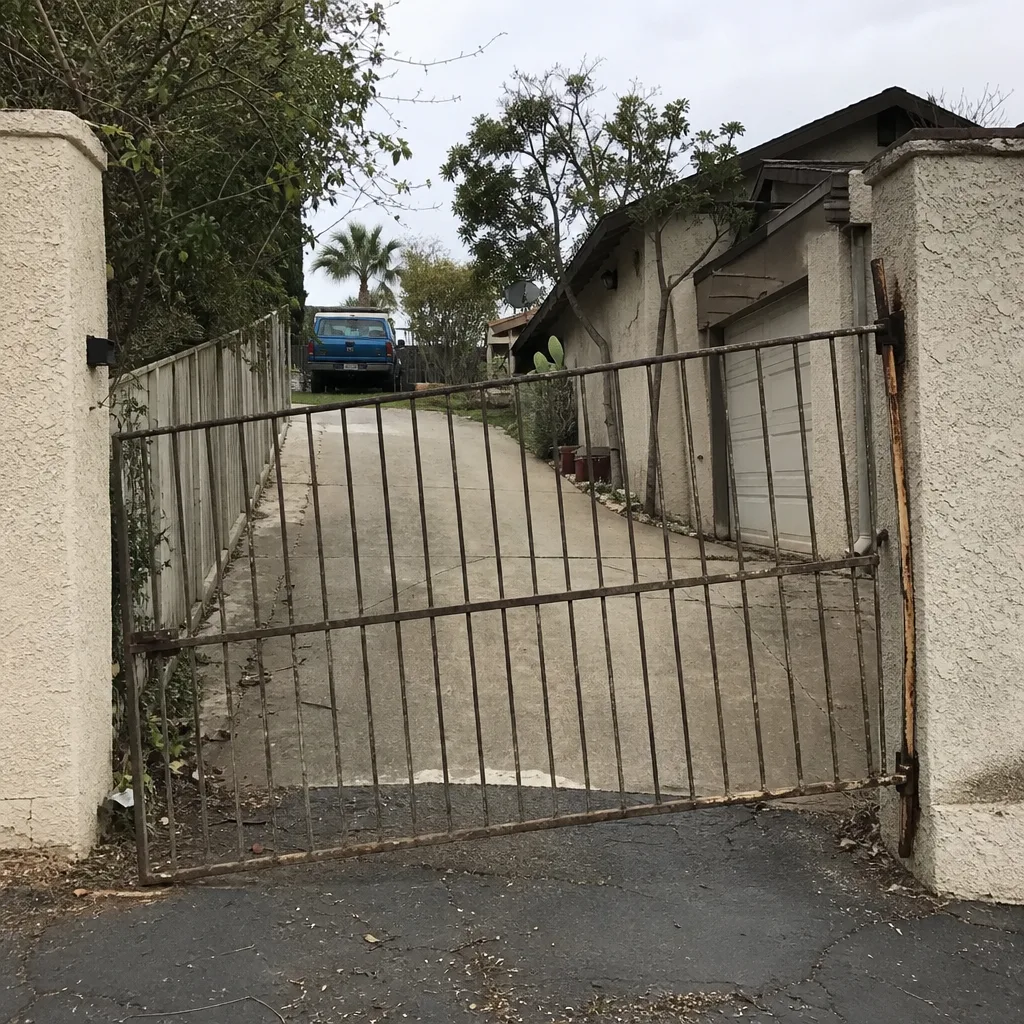 Before
 After
 Before
 After
 Before
 After